
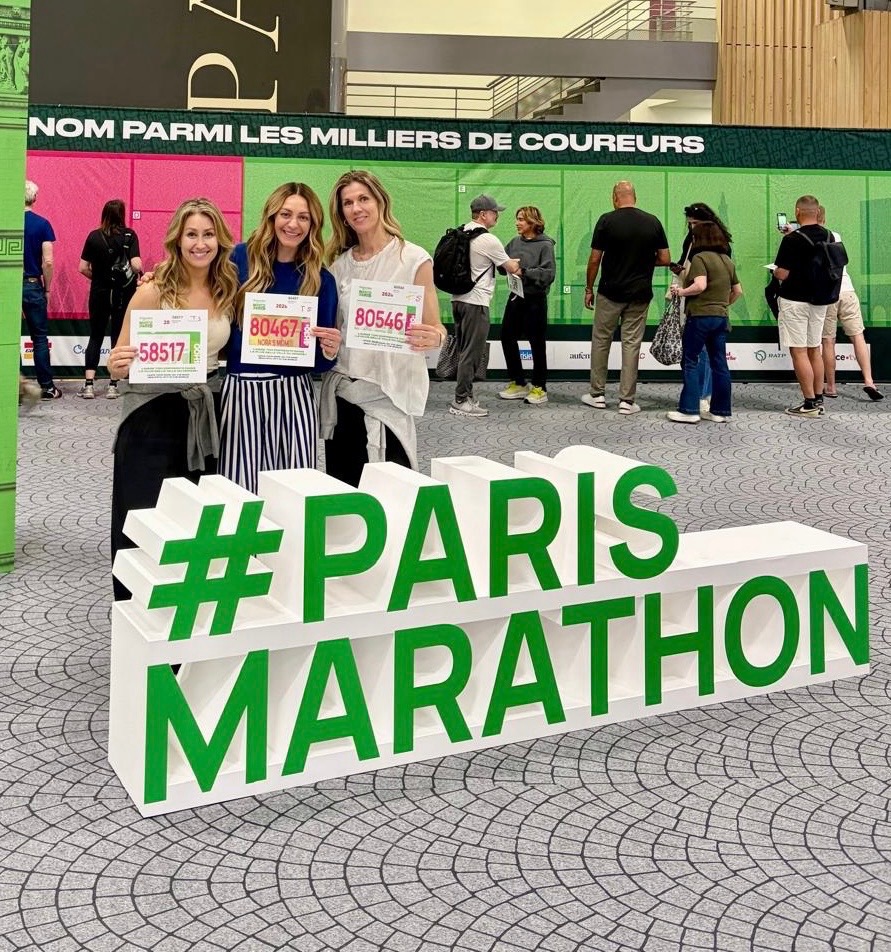
This spring, in the heart of Paris, twelve women from across the U.S. came together with a shared purpose. As part of the Marfan Foundation’s Team Victory, they took on the storied Paris Marathon—raising nearly $50,000 for research and helping spread awareness of Marfan, Loeys-Dietz, VEDS, Stickler syndromes and related conditions. The event boasted the Foundation’s largest marathon team to date.
Some were seasoned marathoners; others were first-timers. Many said they might never had the motivation to tackle 26.2 miles if not for their commitment to advancing the Foundation’s mission. Some live with a connective tissue condition, while others ran in support of friends or family.
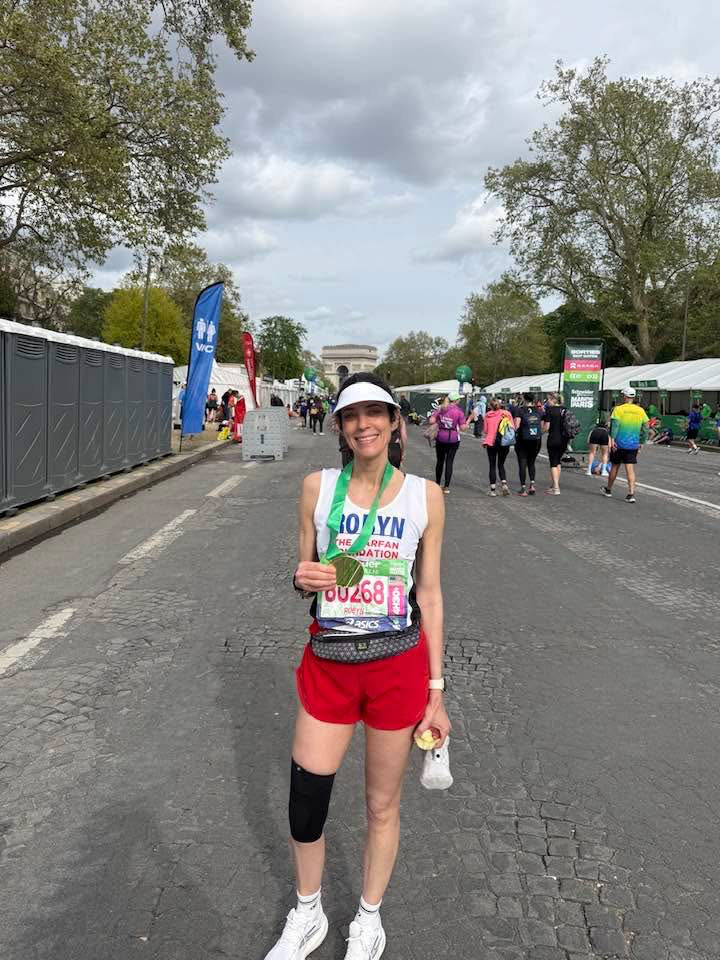
“It was an amazing experience,” said Robyn Goodman Li, who also participated in the Berlin and New York City marathons for the Foundation last year. “The course is so beautiful with really varied terrain. You’re running through city streets and then green parks with the Eiffel Tower in the background. Then you finish up at the Arc de Triomphe. It’s really special.”
Robyn, who runs for her two sons, Preston and Simon, whom she shares with Sinclair Li, a Foundation Board Member, said the camaraderie among teammates helped carry her through the toughest moments.
“The day before the marathon, we went on a cruise on the Seine and really got to know each other,” she said. “We shared why we were running, and we had so much in common—we just got each other. There was this feeling of, ‘we’re all in this together.’”
This was Jessi Holter’s first marathon. “It was incredible,” she said. “It was so fun getting to run through 26 miles of Paris that I hadn’t really seen before—the beautiful parks, the quiet neighborhoods— that weren’t so quiet that day—the long tunnels. There were people lining the streets nearly the entire way, with live music and constant cheering. In fact, I didn’t wear my headphones until mile 22 because the crowd was so electric!”
Jessi ran for her brother, Michael, who passed away from undiagnosed Marfan syndrome in 2023. “He was a super active guy, but he never ran more than a 5K, so the whole time I was imagining him cheering me on and running it with me. We would have totally been competing for the best time —and he would have definitely won. Having a purpose like that makes running the marathon so much easier. In fact, it’s really hard to imagine doing one without that purpose. I’m not sure I’d have the strength and grit on my own, I need the ‘why’”.
“After I finished, I was overwhelmed with emotions: gratitude, pride, grief for my brother, joy. It was a roller coaster. I was crying without tears coming out—apparently that’s a thing when you’re dehydrated,” she said. “My family and I went out for a beer and a steak dinner after the race and it was the best thing I’ve ever tasted.”
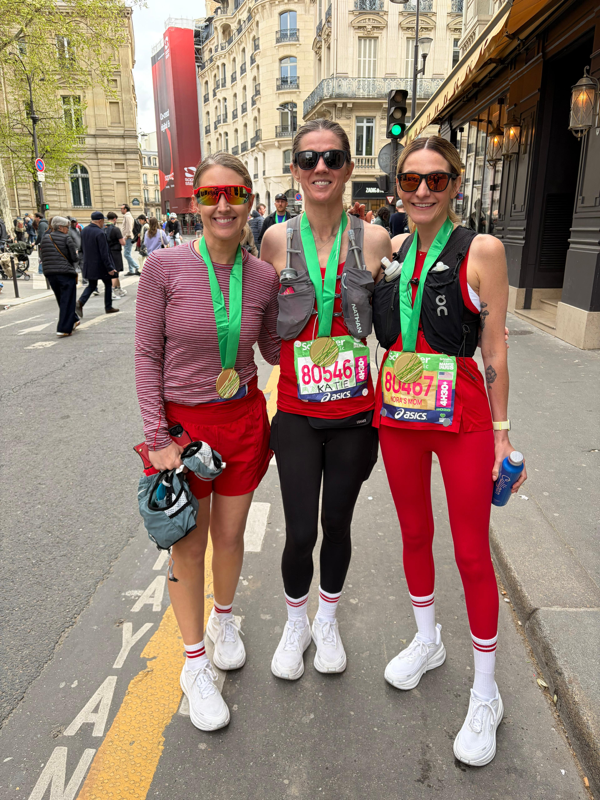
Katelyn Baker was also enchanted by the unique Paris course. “I loved the tunnels along the Seine, with the graffiti, strobe lights and techno music pumping from the DJ booth in the darkness. Even the dreaded cobblestones were a plus for me because funneling all my concentration into not twisting an ankle at least took the focus off the fact that every fiber of my body hurt!”
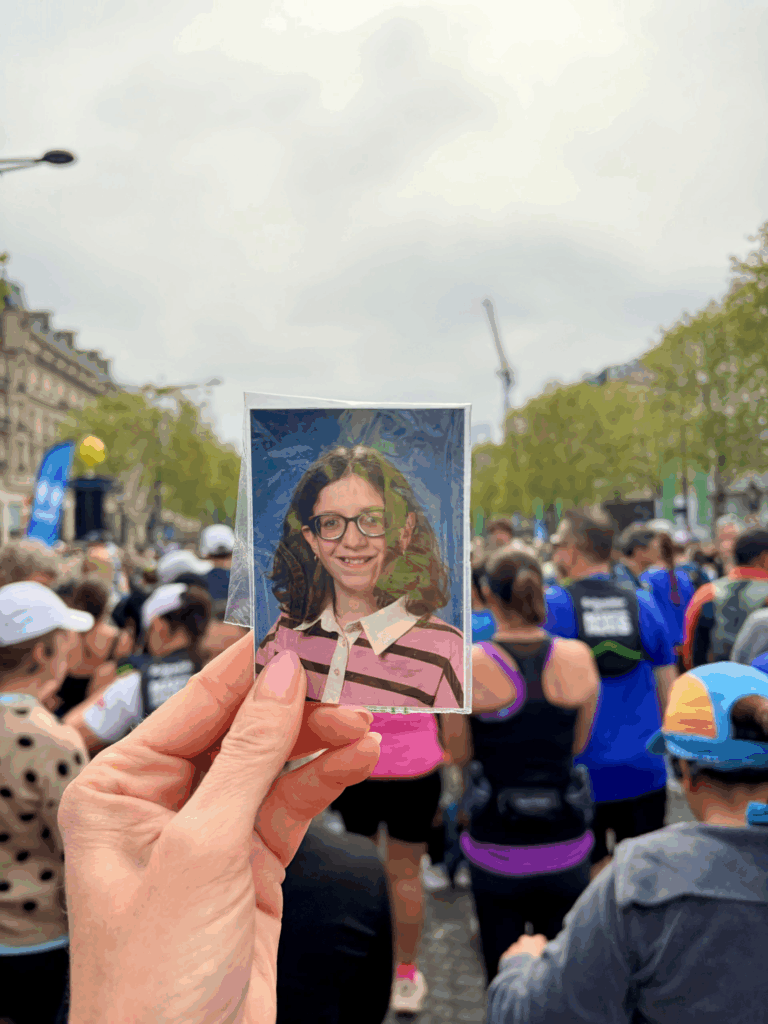
Katelyn, who was running with two friends as part of Team Nora in honor of her daughter who lives with Marfan, also appreciated the “incredible” crowds. “My bib listed my name as “Nora’s Mom” and hearing strangers cheer “Allez Nora’s Mom!!” was a huge morale boost, especially being so far from home.”
After recovering with ‘wine and frites,’ followed by a face mask and compression socks, Kately said she is “acutely aware of the gift that is my body. My legs, and my spine, and my heart allow me the privilege of running. Many people with Marfan syndrome, like my daughter, will never be able to safely run a marathon. I can, and I am so honored to be able to bring awareness and raise money for The Marfan Foundation.”
Other Team Victory runners brought equally powerful personal connections and motivations to the race: Kathryn Day and Samantha Ott make up the two other runners of “Team Nora.” Ott has run three previous marathons, but Paris was the first time she ran in support of a beloved cause. She has watched Nora “tackle setbacks and health hurdles with humor and grace since she was a toddler.”
Grace Ehrbar lives with Vascular Ehlers-Danlos Syndrome (VEDS) and said: “I’m too stubborn to quit running now. I’ve loved it since second grade and want to keep going while raising awareness and funds for VEDS and Marfan syndrome.” Grace, like all Team Victory runners, ran with clearance from her healthcare team.
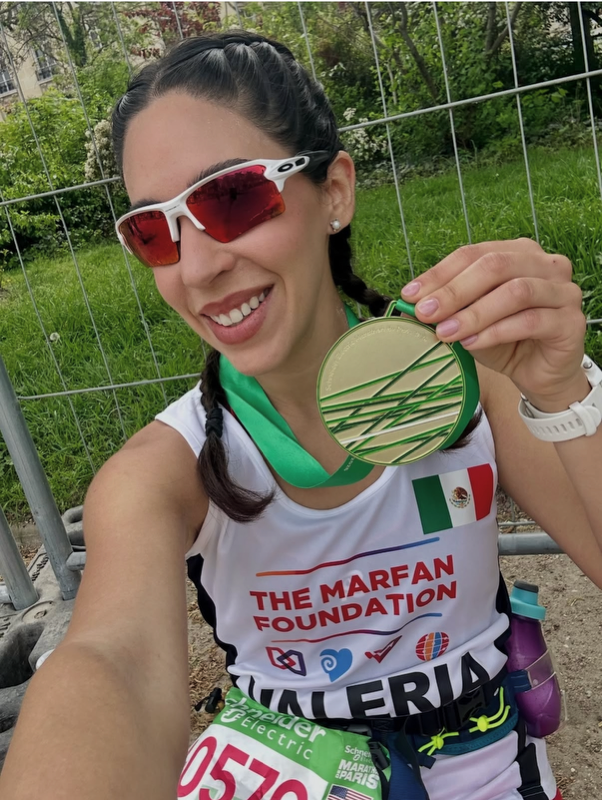
Valeria Evia ran to support her friend’s daughter, Sofia Maria, who lives with VEDS. “This race is more than a personal challenge—it’s a way to raise awareness, honor her strength, and help bring hope to families affected by this disease,” she said.
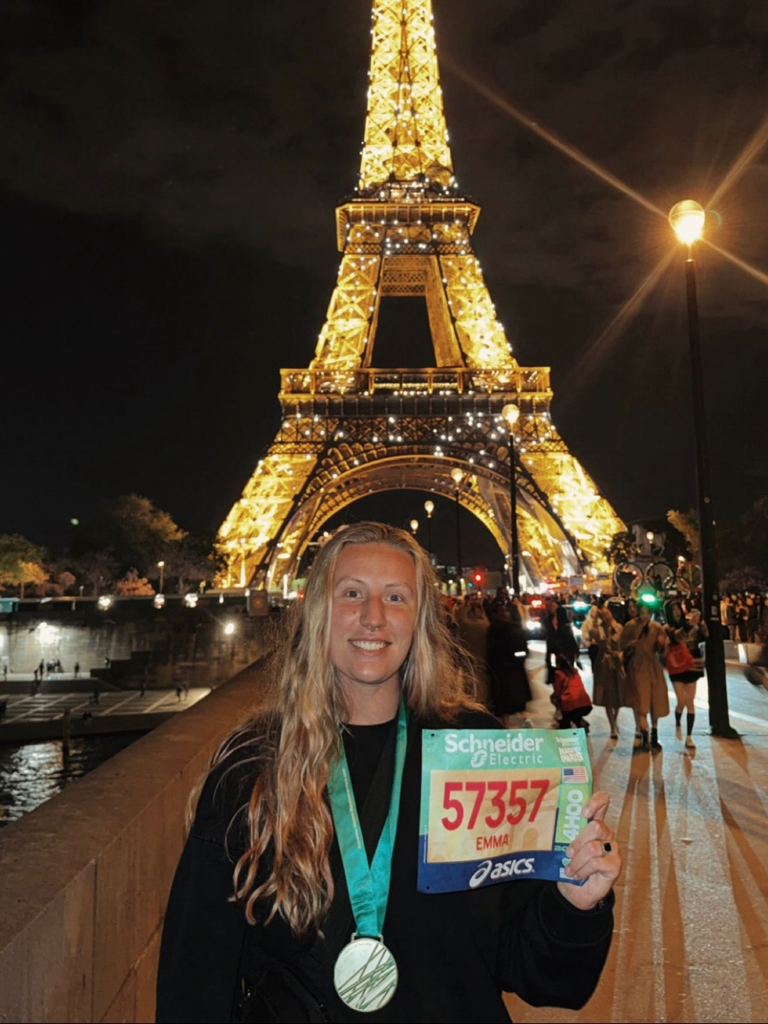
Emma Brady ran on behalf of a family “that has been affected by Marfan syndrome for decades. I hope that my efforts bring awareness to my local community,” she said.
Sisters Alexandra Lee and Lousie Lee planned to run together, but Alexandra was injured shortly before the race and couldn’t participate. “Marfan syndrome runs in our family,” the sisters wrote on their fundraising page. “Our cousin, Hamilton Lee, who we lost far too soon, is someone we hold especially close as we run.” Mary Stewart Mullin of New York City ran with close friends Alexandra and Louise.
Eleanor Hawkins was diagnosed with a genetic connective tissue condition when she was 14 and knows “how challenging it can be to coordinate care, find knowledgeable specialists, and navigate conditions that many people, even some doctors, aren’t familiar with. Running this marathon is a way for me to give back to a community that means so much to me.”
Tally Farro ran with her “best friend” Robyn Goodman Li. “Every step I take is for her two kids.”
What’s Next for Team Victory:
Every step taken by Team Victory helps raise essential awareness of genetic aortic and vascular conditions such as Marfan syndrome, Loeys–Dietz syndrome (LDS), Vascular Ehlers-Danlos syndrome (VEDS) and Stickler syndrome—rare yet serious connective tissue conditions that often go undiagnosed. These conditions can affect the aorta, blood vessels, bones, eyes, and other organs, making early recognition, specialized medical care, and ongoing research critical. By elevating these conditions on a global stage, our runners are not only funding life-saving research but also helping families around the world find answers, support, and hope.
How You Can Get Involved
New York City Marathon – Sunday, November 1, 2026. Join the team! If you or someone you know would like to run for the Marfan Foundation on this global stage, reach out to Alyssa today at aaieello@marfan.org.
Walk for Victory – Spring and Fall: Participate in a City Near You
Join one of our non-athletic Walk for Victory community-gathering events across the country.
Your Donation Helps Save Lives
When you give to the Marfan Foundation, you’re supporting families facing Marfan syndrome, Loeys-Dietz syndrome, VEDS, Stickler syndrome and other connective tissue conditions. Your generosity funds vital research, expands community support, and fuels the mission to help people living with genetic aortic and vascular conditions live longer, healthier lives. Give now to power research, education, and support.
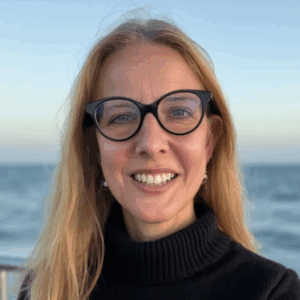
Olivia Abel has been a strategic communications and editorial professional for more than 25 years. A passionate storyteller, she’s worked as a reporter at Vanity Fair and People magazines, written freelance business stories for The New York Times and spent a decade as Editor-in-Chief of Hudson Valley magazine. Olivia shares the stories of those affected by genetic aortic and vascular conditions in her current work as director of Integrated Marketing Communications at the Marfan Foundation.