

The Marfan Foundation has awarded seven new research grants totaling $750,000 to support innovative approaches to understanding and treating genetic aortic and vascular conditions. The studies explore a wide range of promising areas, from inflammation and cellular aging to gene-based approaches, targeted nanotherapy, and new ways to strengthen and protect the aorta. Together, the projects seek to deepen understanding of what drives aortic disease while identifying new pathways that could ultimately lead to better treatments.
“What is especially exciting about these studies is the variety of approaches researchers are taking to address aortic disease,” said Josephine Grima, PhD, Chief Science Officer for the Foundation. “Some are uncovering new biological mechanisms, while others are testing innovative strategies to intervene. Each adds an important piece to our understanding and brings us closer to new possibilities for treatment.”
Meet the new grant recipients, learn about their research, and discover why each study matters to our community.

Anna Cantalupo, PhD
Icahn School of Medicine at Mount Sinai
Combined AT1R blockade and AT2R activation as a therapeutic strategy for aortic aneurysm in Marfan syndrome
$100,000 Two-Year Career Development Award
Dr. Cantalupo’s research explores a new approach to protecting the aorta by targeting two pathways that help control blood vessel function. Losartan blocks a receptor called AT1R, which can contribute to blood vessel constriction and tissue stress. A second drug, C21, activates another receptor, AT2R, which helps blood vessels relax and stay healthy.
In a mouse model of severe Marfan syndrome, the combination of losartan and C21 prevented aortic rupture and death—an effect not achieved with losartan alone. The team will now investigate how the two drugs work together, including whether they improve the function of the endothelium, the inner lining of blood vessels, and restore production of nitric oxide, which helps keep blood vessels flexible and healthy. Researchers will also examine whether the combination reduces oxidative stress, an imbalance that can damage the aortic wall.
Why This Research Matters
If the findings continue to be promising, this research could lay the groundwork for a new combination therapy that better protects the aorta in people with Marfan syndrome.
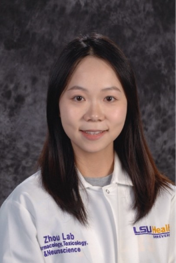
Min Hu, PhD
LSU Health Shreveport
The Critical Role of a Smooth Muscle Cell-Specific Long Noncoding RNA Molecule in the Pathogenesis of Marfan Syndrome
$100,000 Two-Year Victor McKusick Fellowship
Current medications for Marfan syndrome can reduce stress on the aorta and slow aneurysm growth, but they do not address all of the biological processes that cause the aortic wall to weaken. Dr. Hu’s team is studying the role of smooth muscle cells, which help the aorta contract and relax with each heartbeat.
The researchers identified a long noncoding RNA molecule that appears to help these cells stay healthy and function properly. They found much lower levels of this molecule in unhealthy smooth muscle cells in genetic information studied from people with Marfan syndrome and mice with the condition. When researchers removed the molecule from smooth muscle cells in adult mice, the animals developed enlarged and weakened aortas and their blood vessels did not contract as well as normal ones.
The team will now study whether loss of this molecule worsens Marfan-related aortic disease and whether restoring it can protect the aorta and improve blood vessel function.
Why This Research Matters
This research could identify a previously unrecognized contributor to Marfan-related aortic disease and provide a foundation for developing new gene-based treatments designed to keep blood vessels healthy.
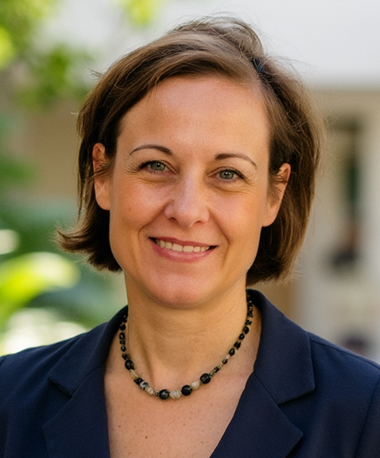
Elena MacFarlane, PhD
The Johns Hopkins University School of Medicine
Senolytics as a Novel Aneurysm Therapy in Loeys-Dietz Syndrome Models
$100,000 Two-Year Innovators Award
Dr. MacFarlane’s research is investigating whether cellular aging contributes to aneurysm development in Loeys-Dietz syndrome (LDS). Previous research suggests that smooth muscle cells in the aortic wall may respond to the stress caused by LDS-related genetic changes by entering a state known as senescence.
Senescent cells stop dividing and functioning properly and can release inflammatory factors that negatively affect neighboring healthy cells. Although these cellular changes may initially help the artery wall respond to stress, researchers believe they may eventually contribute to weakening of the aorta.
The team will test a combination of two FDA-approved drugs in mouse models of LDS to determine whether removing these senescent cells can reduce aortic enlargement and related tissue changes. Researchers will also examine how the treatment affects important signaling pathways within the artery.
Why This Research Matters
If successful, the study could provide a foundation for further research into senolytic therapies—treatments that target aging, damaged cells—as a potential new approach to preventing or slowing aneurysm development in LDS.
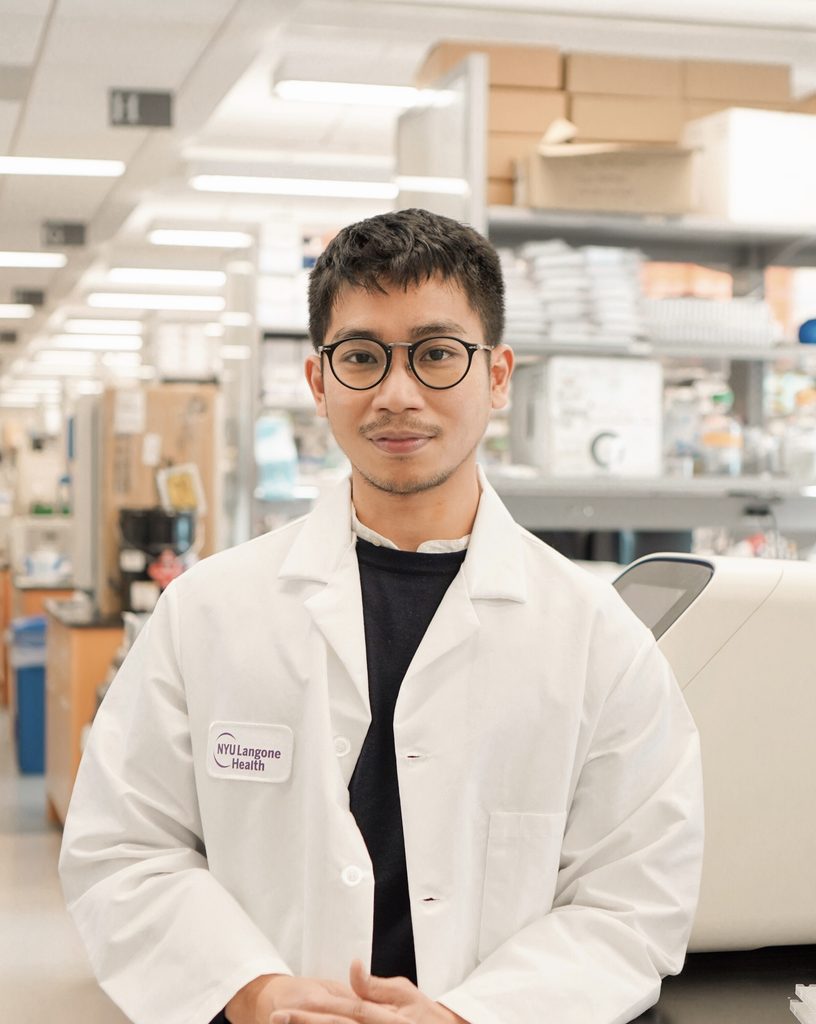
Muhammad Yogi Pratama, MD, PhD
NYU Grossman School of Medicine
Coupling endothelial translation machinery and TGFBR2 signaling in thoracic aortic aneurysms and dissection in Marfan and Loeys-Dietz Syndromes
$150,000 Two-Year Victor McKusick Fellowship
Much of the research into aortic disease in Marfan and Loeys-Dietz syndromes has focused on the smooth muscle cells within the aortic wall. Dr. Pratama’s team is instead examining endothelial cells, which form the inner lining of the aorta.
The researchers have found that these endothelial cells can change into fibrous-like cells, potentially increasing tissue damage and contributing to weakening of the aorta. The team will investigate how abnormal protein production and signaling within these cells contribute to this process and whether blocking these cellular changes can slow aortic damage.
Why This Research Matters
By revealing how cells in the aorta’s inner lining contribute to aneurysm and dissection, this research could identify a new biological process to target in future treatments for people with Marfan and Loeys-Dietz syndromes.

Avanthi Raghavan, MD
The Broad Institute
An in vivo AAV-Perturb-Seq platform to identify novel therapeutic targets for Marfan Syndrome
$100,000 Two-Year Innovators Award
Recent genetic studies have identified many genes that may influence aortic health and disease, but determining which genes actually drive disease—and which might be useful treatment targets—remains a major challenge.
Dr. Raghavan’s team is developing a research tool that combines gene editing with single-cell analysis, allowing researchers to test the function of many genes directly in the aortas of living mice with Marfan syndrome. Rather than studying one gene at a time, this technology could help researchers pinpoint which genes have the greatest effect on aortic disease.
The goal is to uncover biological pathways involved in Marfan-related aortic disease and identify the most promising targets for future therapies.
Why This Research Matters
This new research tool could help scientists more efficiently identify genes and biological pathways that may lead to future treatments for Marfan syndrome. It could also become a valuable tool for studying related aortic and vascular conditions.
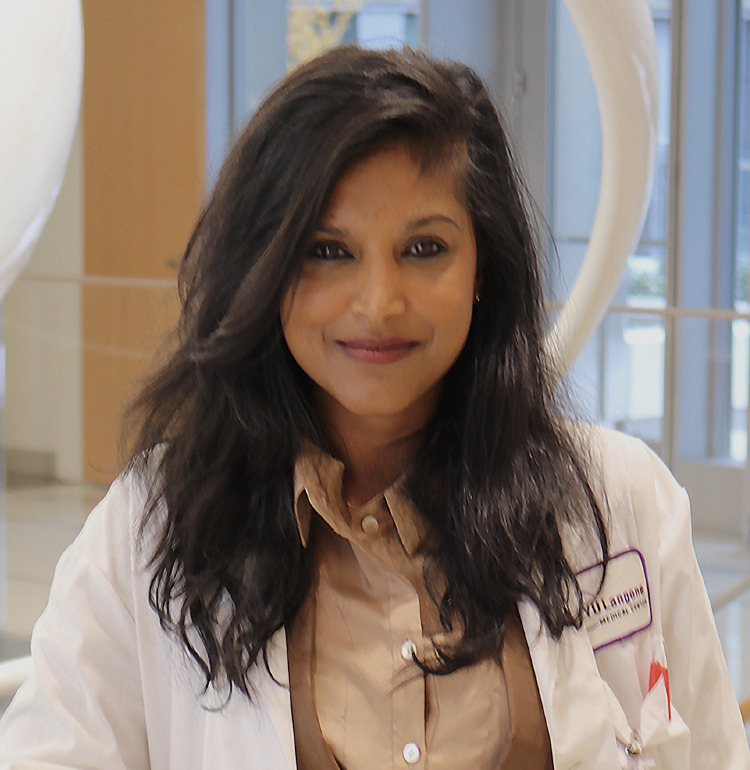
Bhama Ramkhelawon, PhD
NYU Grossman School of Medicine
Deconstructing Inflammatory Circuits Driving Aortic Aneurysms and Dissections in Marfan Syndrome
$100,000 Two-Year Innovators Award
Dr. Ramkhelawon’s team is investigating how inflammation may contribute to aortic aneurysms and dissections in Marfan syndrome. Their earlier research identified a group of fibroblasts—cells that provide structural support within the aortic wall—that respond strongly when aortic tissue is under mechanical stress.
These fibroblasts produce a signal that attracts and activates immune cells called macrophages, creating inflammation that may further damage the aortic wall. In mice, disrupting this signal reduced both inflammation and aortic damage, suggesting that this pathway may play an important role in Marfan-related aortic disease.
The team will study this inflammatory process in greater detail and test whether a drug originally developed for cancer can interrupt the harmful signaling and reduce inflammation in Marfan mice. Researchers will also study fibroblasts and aortic tissue from people with Marfan syndrome to better understand how these processes occur in human tissue.
Why This Research Matters
Rather than trying to target difficult-to-treat immune cells directly, this research could lead to treatments that block the signals activating them—potentially providing a new way to reduce inflammation and protect the aorta in Marfan syndrome.
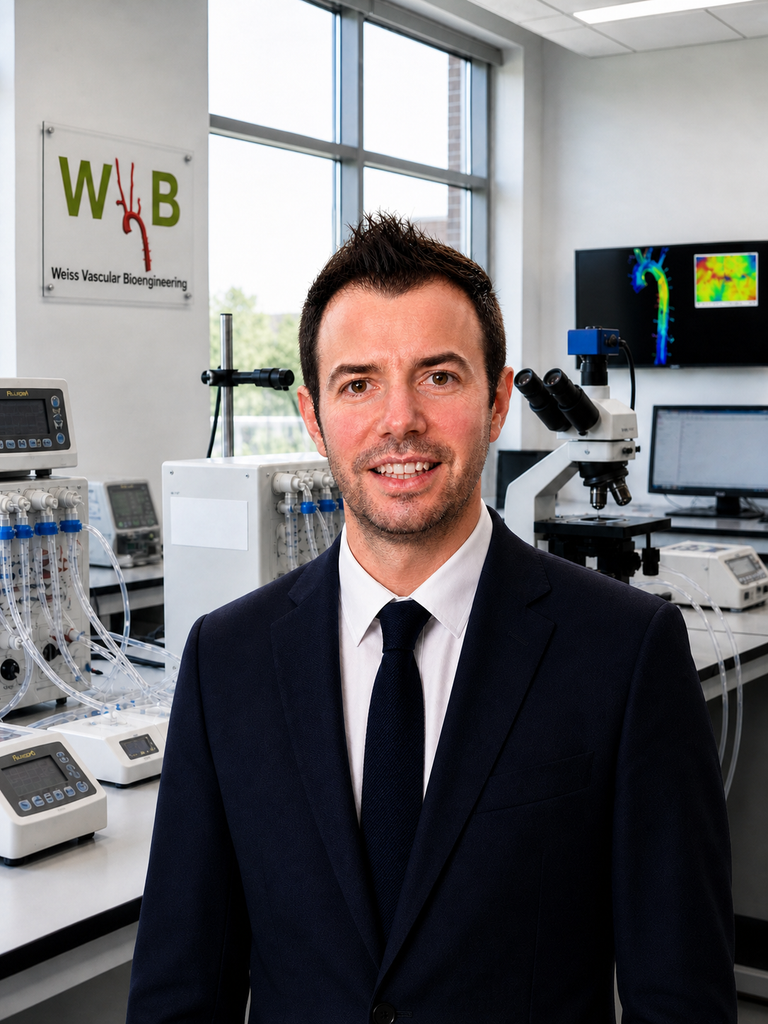
Dar Weiss, PhD
University of Denver
bLOXing Aortic rupture—Lysyl oxidase (LOX)-responsive nanopolymers for targeted aortic repair
$100,000 Two-Year Career Development Award
Dr. Weiss’ team is exploring a new approach to aortic disease: strengthening weakened areas of the aortic wall from within. The researchers are using tiny engineered particles, called nanopolymers, designed to travel through the bloodstream and collect specifically in diseased areas of the aorta.
The approach takes advantage of two characteristics of aneurysm tissue. The inner lining of the blood vessel becomes more permeable, allowing the small particles to enter the weakened area, and levels of an enzyme called lysyl oxidase (LOX) are higher in the diseased tissue. When the nanopolymers encounter higher levels of LOX, they are designed to change from very small particles into tiny temporary supports within the damaged vessel wall. These supports could reinforce the area, reduce mechanical stress and give the body time to build healthier tissue.
The team will test the technology in a mouse model of Marfan syndrome to determine whether it can strengthen the aorta and reduce the risk of tearing or rupture.
Why This Research Matters
If successful, this research could lead to an entirely new way to reinforce weakened areas of the aorta from within. Such a treatment could eventually complement monitoring and blood pressure medications and potentially delay or reduce the need for surgery for some people.
Every new discovery brings us closer to better understanding, treatments, and outcomes for people with Marfan, Loeys-Dietz, VEDS, and related conditions. Please consider giving to the Foundation’s Research & Education Drive by December 31 and help fuel the research and education that move our community forward. Visit Marfan.org/impact to make your gift. Thank you!
This article appeared in the fall 2026 edition of the Marfan Foundation’s publication, Connective Issues. Click here to read it now.

The Marfan Foundation drives research, education and support – and builds community – to improve outcomes, save lives and empower all people to thrive who are living with Marfan, Loeys-Dietz, Vascular Ehlers-Danlos syndromes, and related genetic aortic and vascular conditions.