
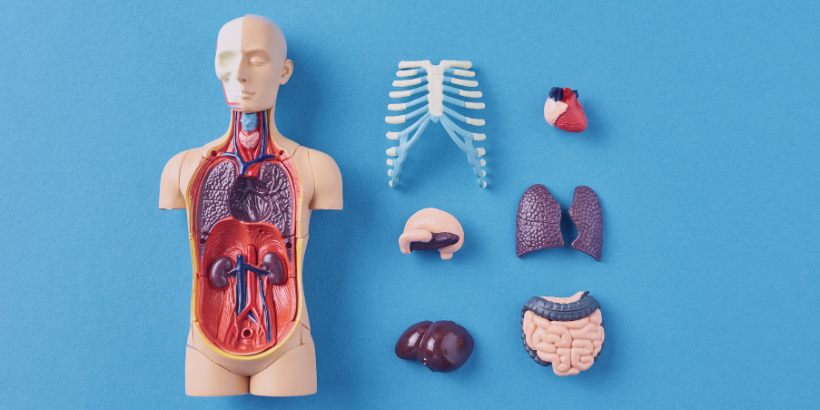
When people hear the words “dissection,” they often think of the aorta. It’s the complication most often discussed in conditions like Marfan, Loeys-Dietz, and VEDS. But dissections don’t only happen in the aorta.
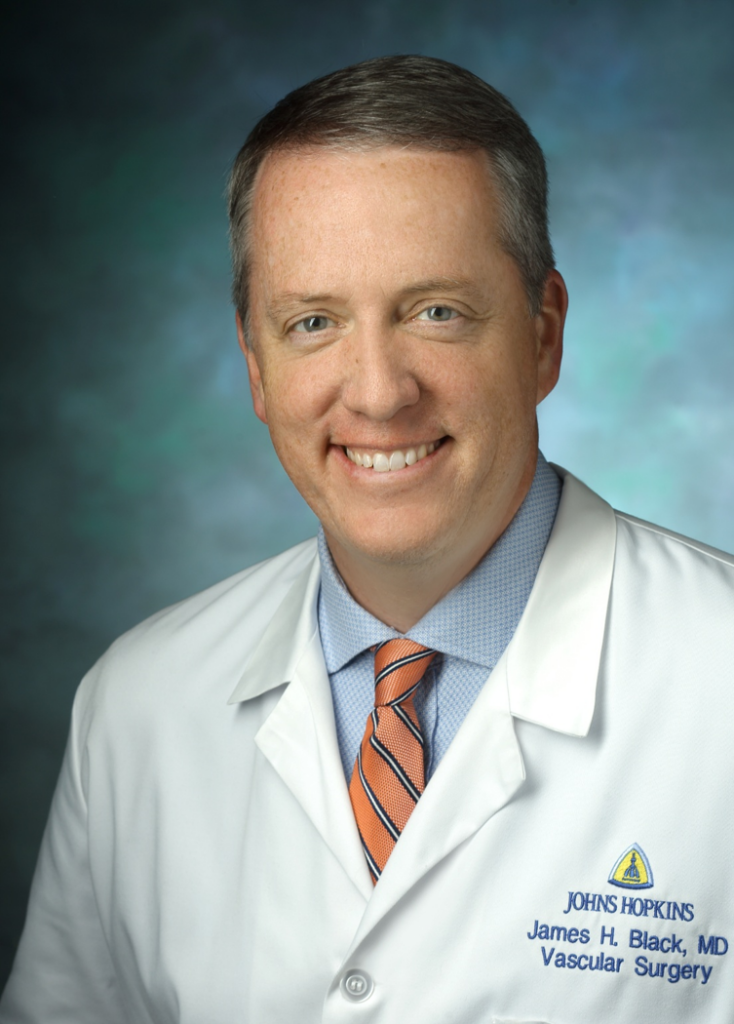
“They can occur in the carotid, subclavian, and even lower extremity arteries,” says Dr. James Black, a vascular surgeon at Johns Hopkins Medicine and a member of the Foundation’s Professional Advisory Board.
While these events are discussed less often, they are not necessarily rare. For community members, dissections beyond the aorta can look very different from person to person.
Knowing the Risk
Different genetic conditions carry different risks when it comes to dissections beyond the aorta. According to Dr. Black, non-aortic dissections tend to be more common in some conditions like Vascular Ehlers-Danlos syndrome (VEDS), emphasizing the importance of individualized care and awareness.
For the affected community, this means understanding that vascular risk isn’t limited to one part of the body.
Cristobal Castillo Lackington, who lives with VEDS, has experienced dissections in multiple arteries, including both carotids, a renal artery, a coronary artery, and the abdominal aorta.
“For each dissection, my symptoms differed based on the location,” he explained. “The carotid dissections felt like a persistent headache, the abdominal one caused strong stomach pain, and the coronary dissection was sudden and caused extremely intense chest pain.”
His experience highlights a key challenge: symptoms can vary dramatically depending on where the dissection occurs.
Recognizing the Signs
As with Cristobal, one characteristic often stands out among dissections: sudden, severe pain.
“Very similar to aortic dissection, arterial dissection usually has the abrupt onset of severe pain,” said Dr. Black.
“This sets it aside from other aches and pains that people will have often related to physical activity or periods of exertion.”
But that pain doesn’t always present the same way.
While some dissections present with sudden, severe pain, others may cause few or even no noticeable symptoms.
For Elizabeth McAllister, who lives with Loeys-Dietz syndrome, it began during an everyday moment, shopping for sprinkles to bake Christmas cookies with her children.
“I had sudden onset chest pain and a feeling of heaviness,” she said. “When the pain increased and began radiating down my left arm…I knew something wasn’t right.”
She was experiencing a spontaneous coronary artery dissection (SCAD), which led to a life-threatening heart attack.
According to Dr. Black, others may experience:
- Persistent headaches (carotid dissections)
- Abdominal pain (mesenteric or aortic branches)
- Limb symptoms or unusual discomfort
- Unusual or localized pain that feels different from typical strain
The common thread is that something feels different and often very intense.
When Diagnosis Can Be Challenging
One of the most difficult aspects of non-aortic dissections is that they can be harder to recognize, and sometimes even missed. Some may occur without symptoms, making monitoring especially important.
“Still, some arterial dissections can occur asymptomatically, so the utility of surveillance for some conditions is very important,” Dr. Black said. “Surveillance screening at dedicated points of age or surveillance intervals make sense for some of these patients.”
In Elizabeth’s case, additional imaging later revealed a separate carotid artery dissection that had caused no symptoms and is now being monitored. This is why aware ness is so critical.
Monitoring Beyond the Aorta
For people with genetic vascular conditions, care often extends beyond the aorta.
“Surveillance usually requires imaging from head to toe,” explained Dr. Black. “But care is tailored based on individual risk and history.”
Monitoring may include:
- CT scans (CTA)
- MRI/MRA
- Ultrasound for certain peripheral arteries
In many cases, dissections outside the aorta can be managed without immediate intervention.
“Some peripheral arterial dissections can be watched with ultrasound,” said Dr. Black. “This allows for monitoring without repeated radiation exposure or invasive procedures. The location of the dissection plays a major role in how it presents and how it is treated.”
Treatment and Prevention
“The location of the dissection outside the aorta substantially dictates both the clinical course and how patients will manifest these dissections,” said Dr. Black.
Treatment decisions depend on the artery involved, the severity of the dissection, and whether blood flow is compromised. But across all scenarios, one theme is consistent: medical management matters.
“The avoidance of behaviors and conditions that contribute to atherosclerosis is important,” said Dr. Black. “This means avoiding smoking, managing cholesterol, controlling blood pressure, and engaging in regular exercise [under medical guidance and supervision]. All of these are attributes of a lifelong plan.”
The Emotional Aspect
Beyond the physical impact, dissections can reshape how people see their health and their lives.
“Sometimes I struggle with hopelessness…and the idea that something might happen,” said Cristobal, describing the emotional weight of living with repeated vascular events. Despite these challenges, he remains focused on the positive. “I like my life now.”
Elizabeth also experienced a similar shift in perspective after surviving her heart attack.
“Not everyone gets a second chance at life,” she said. “I try to find joy in each day.”
Advocacy Can Save Lives
A recurring theme across these experiences is the importance of self-advocacy.
Elizabeth credits initial advocacy for her son with leading to her family’s diagnosis of Loeys-Dietz syndrome.
“It feels important to understand my options and be able to ask thoughtful questions,” she said.
Cristobal recognized a connection with others in the community as a way to stay grounded and hopeful.
Together, their experiences provide a message to others: listen to your body, speak up, and seek care when something doesn’t feel right.
Looking Ahead
As awareness grows, so does the ability to detect, monitor, and treat dissections throughout the body.
Dr. Black points to advances in medical therapy and a deeper understanding of these conditions as reasons for optimism.
For those affected and their families, the message is to know your body, stay engaged in your care, and don’t ignore something that feels different. Because when it comes to dissections, the location matters, but awareness matters even more.
If you have non-emergency medical questions, reach out to our Help & Resource Center at Marfan.org/ask.

The Marfan Foundation drives research, education and support – and builds community – to improve outcomes, save lives and empower all people to thrive who are living with Marfan, Loeys-Dietz, Vascular Ehlers-Danlos syndromes, and related genetic aortic and vascular conditions.