
How community members are shaping the future of care.
For many in the Marfan Foundation community, time spent in hospitals, clinics, and exam rooms begins early, and often under difficult circumstances. But for some, those experiences spark something more: a calling to help others.
Across our community, individuals affected by Marfan, Loeys-Dietz, VEDS, and related conditions are choosing careers in healthcare, bringing with them a perspective shaped not only by training but also through lived experience.
We are honored to share a few of their stories:
Adam Bitterman, DO, FAAOS | Orthopedic Surgeon
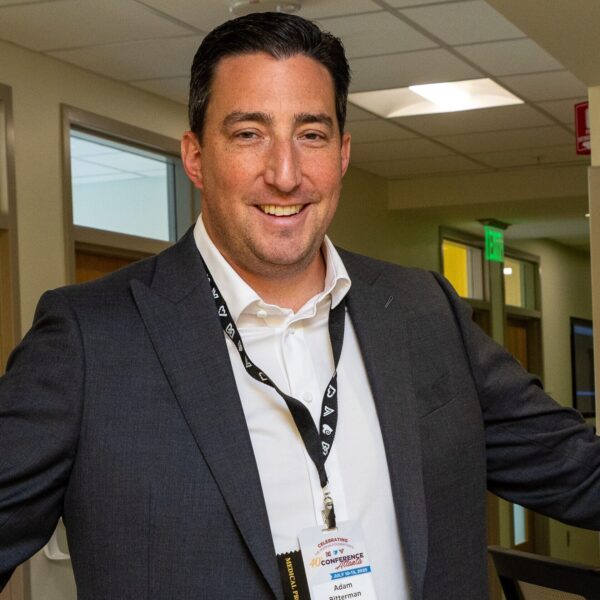
Dr. Bitterman’s condition has helped shape his understanding of medicine and his appreciation for the responsibility that comes with it.
“My personal connection to Marfan syndrome introduced me to medicine long before I ever formally stepped into it,” said Dr. Bitterman. “As a patient and as someone closely connected to the Marfan community, I experienced firsthand the uncertainty, the reliance on expert care, and the profound impact that thoughtful, compassionate physicians can have.”
That perspective guides him during every patient interaction.
“I understand what it feels like to sit on the other side of the exam room, to process complex information, and to carry uncertainty beyond the visit itself,” he said. “Because of that, I place a strong emphasis on communication, ensuring that patients feel heard, informed, and supported.”
Advice for others: First, recognize that your lived experience is not a limitation. It is a strength. It gives perspective that cannot be taught in a textbook. Second, be prepared for a long and demanding journey, but don’t lose sight of why you started. Finally, seek out mentors and build a support system.
Nick Metz | Aspiring Physician and Researcher
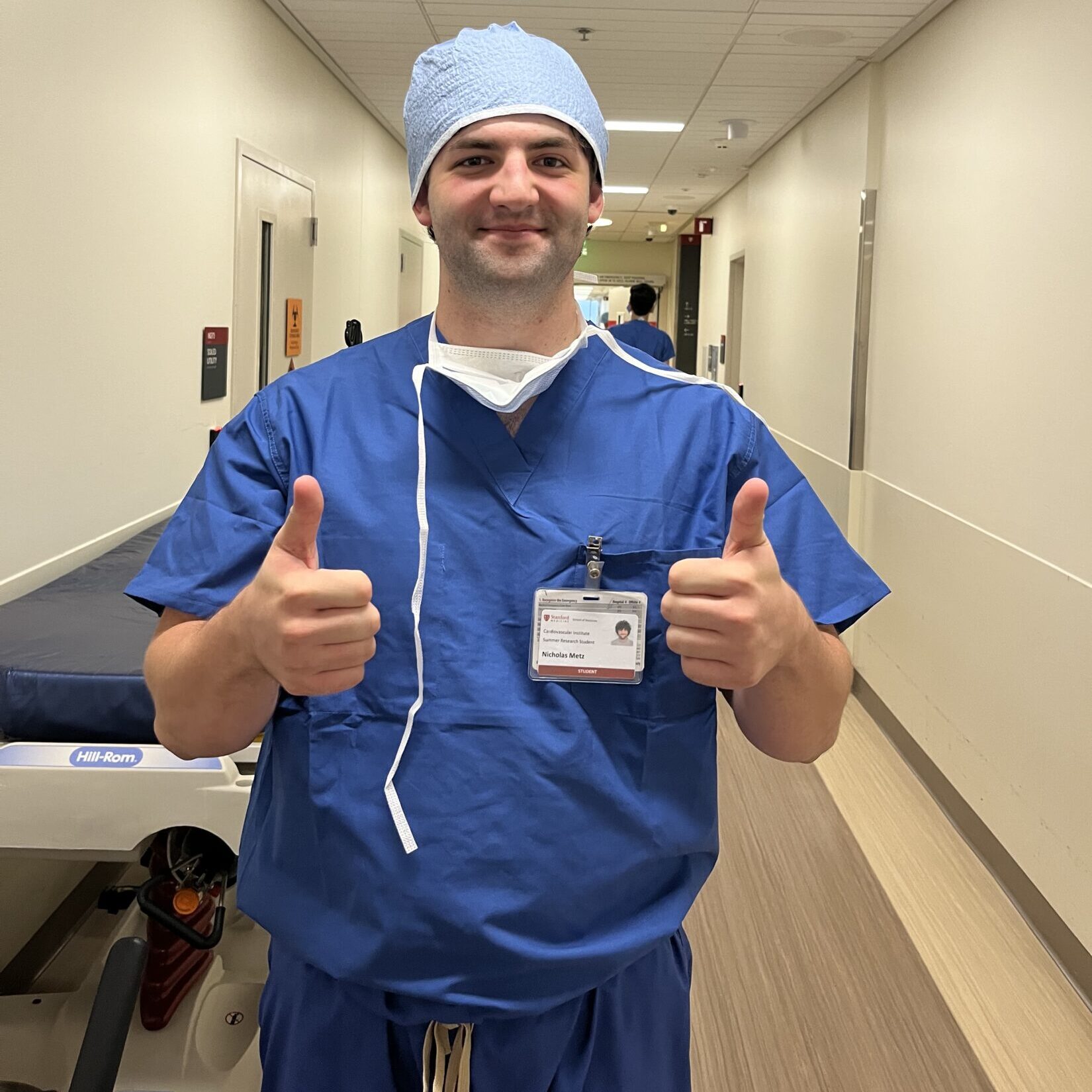
Nick’s path to medicine was guided by both loss and mentorship. After his younger brother, Connor, passed away from an aortic dissection caused by undiagnosed Loeys-Dietz syndrome, Nick became involved with the Marfan Foundation and began volunteering at conferences.
“While volunteering, I met Dr. Alan Braverman, who shared with me that he had also lost a brother to a connective tissue disorder and was inspired to dedicate his career to helping others with these conditions,” Nick said. “Seeing how he transformed a personal tragedy into a lifelong mission deeply impacted me.”
That experience helped define his path into healthcare.
“I wanted to follow their lead, support families during their most difficult moments, and help prevent other families from experiencing the same loss that mine did.”
Advice for others: The loss of my brother and friends has been incredibly painful, but it strengthens my determination to continue down this path. Each experience reinforces why this work matters and motivates me to dedicate my life to preventing these tragedies in the future.
Nishani Patel | Future Cardiovascular Surgeon
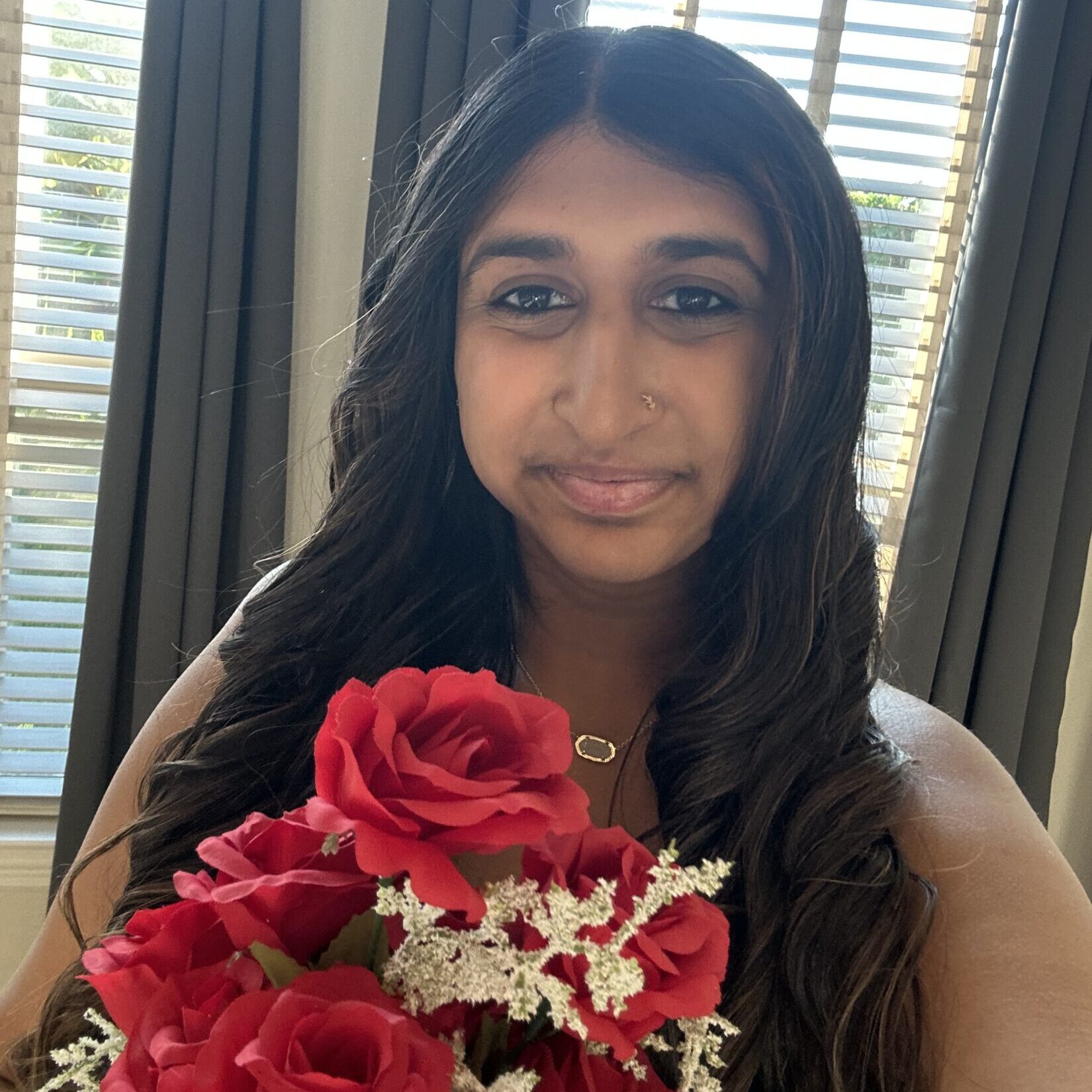
For Nishani, her own medical journey with Marfan syndrome, especially open-heart surgery, led to her decision to pursue cardiovascular surgery.
“Going through my own open-heart surgery gave me a real inside look at saving lives through cardiovascular surgery,” said Nishani. “This experience, although scary, gave me patience more than anything and will help define every decision I continue to make.”
That experience continues to influence how she sees her future in medicine.
“I want to be the surgeon who really understands the feelings of the one on the operating table,” she said. “My goal is to help improve the long-term outcomes for families who, like mine, rely on the heart’s ability to be fixed.”
Advice for others: Having a strong mind is key. Having support from family and gaining knowledge are also important.
Brooke Pulliam, RN | NICU Nurse
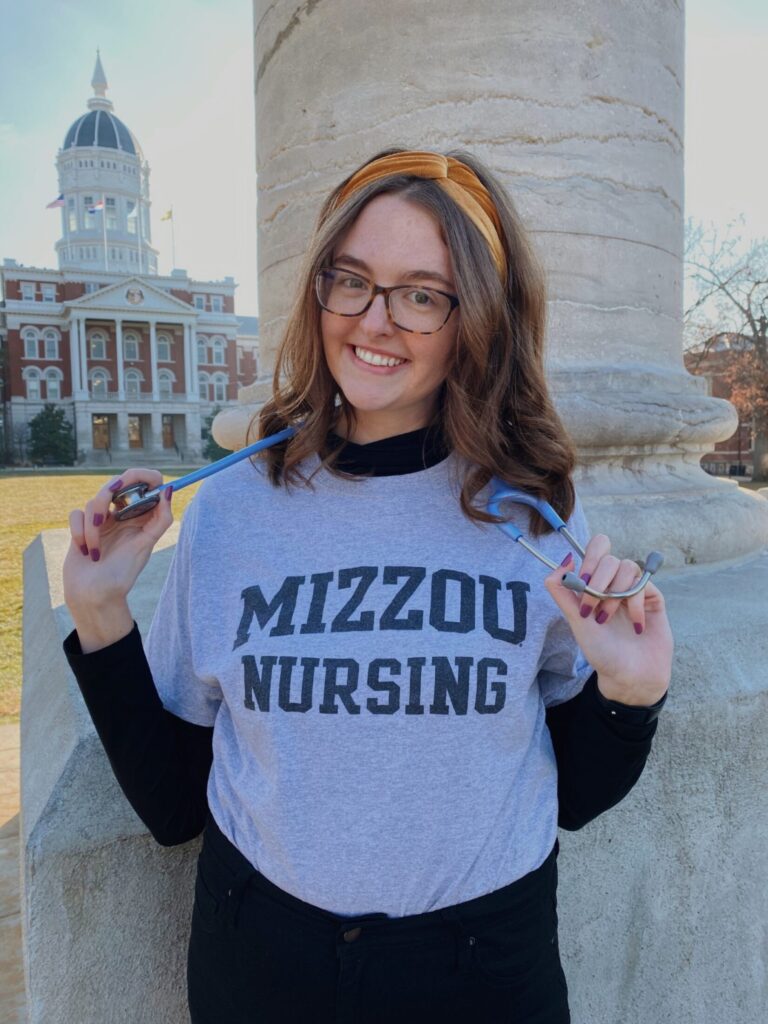
For Brooke, who lives with Marfan syndrome, the path to nursing began early with her own experience in the hospital.
“Growing up and spending time in hospitals surrounded by medical professionals, I knew I wanted to be a part of the medical field,” she said. “I had my spinal fusion when I was 12, where I really experienced firsthand how special nurses are. I knew that I wanted to be that great nurse for patients and their families and to make a real impact during a tough time.”
Today, that experience translates to the care she provides for others.
“I think that empathy is one of the most important traits a nurse can have,” Brooke explained.
“I think that my experience of being a patient as well as a family member of a patient [her mom] has made me an even more empathetic nurse.”
Advice for others: Don’t give up. If you have a dream, keep at it. The medical field is huge and so diverse, so there are positions that will work for you. Each one is important and makes a real difference in people’s lives.
Gabrielle Samuels, DO | Primary Care Physician
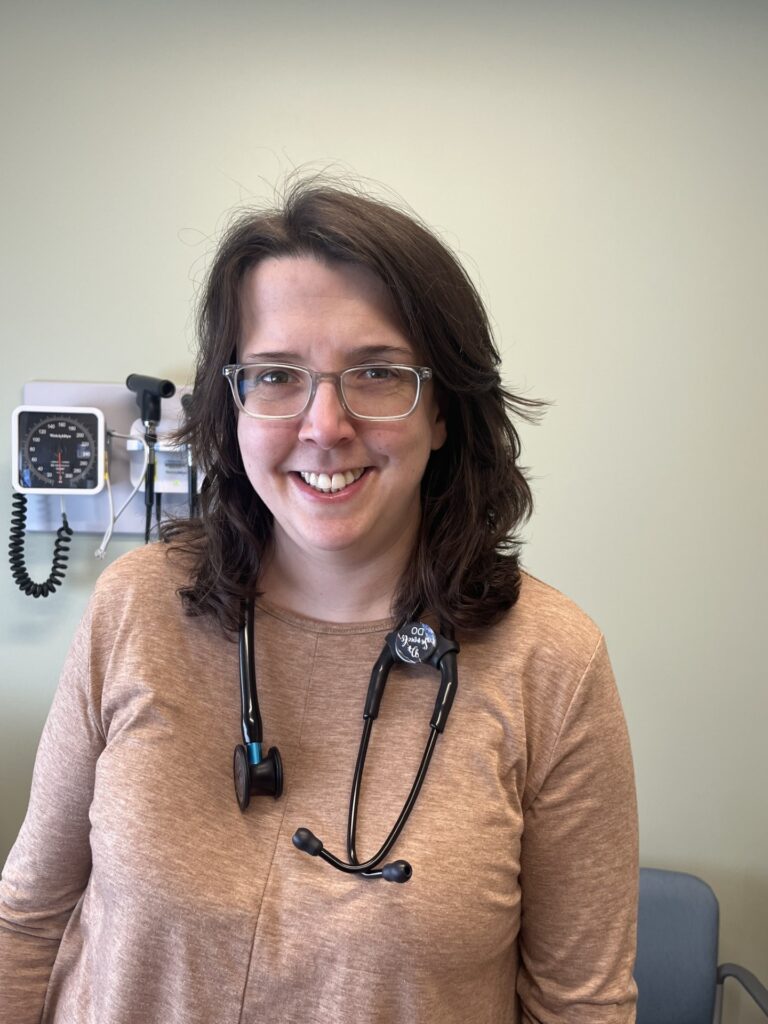
Growing up with Marfan syndrome, Dr. Samuels spent years navigating the healthcare system before receiving a diagnosis, a process that would later shape her career. She still remembers the pediatric cardiologist who changed everything.
“I was profoundly affected by the late Dr. Robert Boxer, the pediatric cardiologist who finally gave me a diagnosis (after 2+ years of my mother trying to get me diagnosed),” she said. He didn’t just take care of me physically, but he helped encourage my personal interests. Seeing how a doctor could deeply affect someone’s life in so many ways inspired me to try and provide that level of care to others.”
Today, that experience continues to shape how she practices.
“As a primary care physician, it is particularly humbling to care for the Marfan/VEDS/LDS community,” said Dr. Samuels. “I have the opportunity to connect people to a greater healthcare team, and care for their mind, body, and spirit.”
Advice for others: I encourage others to use their own life experiences to connect with those they meet. Keep a steady moral compass and remind yourself of your purpose each and every day.
Tony Yasick, MD | Anesthesiologist
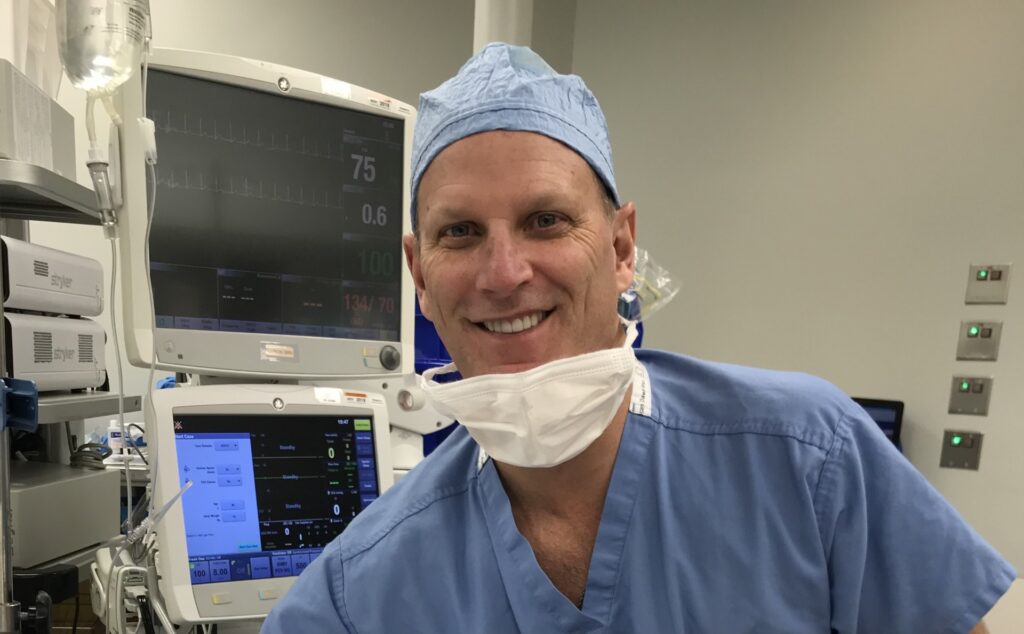
Dr. Yasick’s connection to VEDS began during medical school, when the condition started affecting his family.
“Having family with VEDS made it more difficult but also helped me learn as much as possible, be a family resource, and advocate from within the medical community,” he said. Dr. Yasick credits having a life-threatening condition in the family for making him a better caregiver.
“VEDS isn’t always obvious. Just always being aware that many people struggle with all sorts of hidden challenges has made me a more empathetic and effective physician,” he said.
“Healthcare comes down to individuals, caring for, connecting with, and helping others. I grew to really value that individual connection more throughout my career.”
Advice for others: I believe everyone should dream as big as possible. You can make even more of a difference for our community as a healthcare provider.
Susan Benvenuti is the VP, Integrated Marketing & Communications for The Marfan Foundation. She enjoys getting to know community members and sharing their unique stories. If you would like to share yours, we’d love to hear from you - get started by emailing sbenvenuti@marfan.org.