
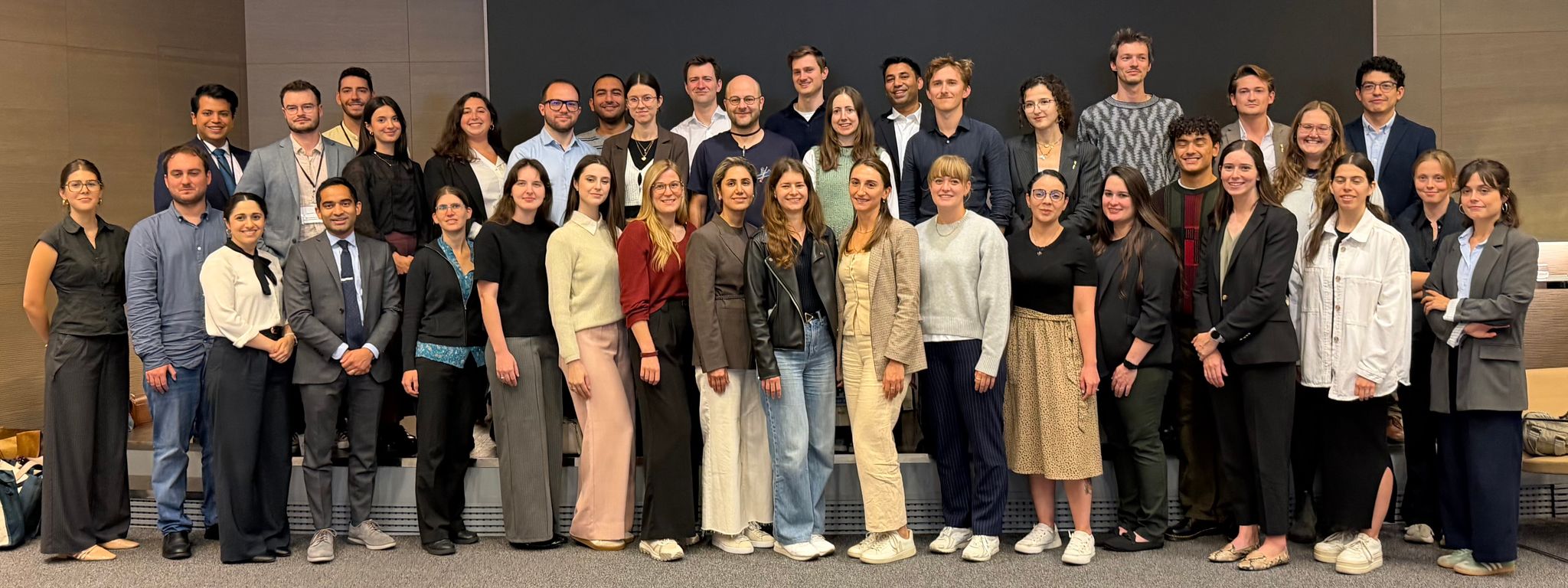
At the largest scientific meeting in its history, The Marfan Foundation convened leading researchers to advance science aimed at improving and extending the lives of people with Marfan syndrome, Vascular Ehlers-Danlos syndrome (VEDS), and related genetic aortic and vascular conditions. Among their research goals are developing new drug therapies to slow aortic enlargement and potentially reduce the need for aortic surgery, better predicting future aortic growth in children with Marfan syndrome, using advanced medical imaging to identify early warning signs of aortic dissection, and improving emergency medical care for people living with VEDS.
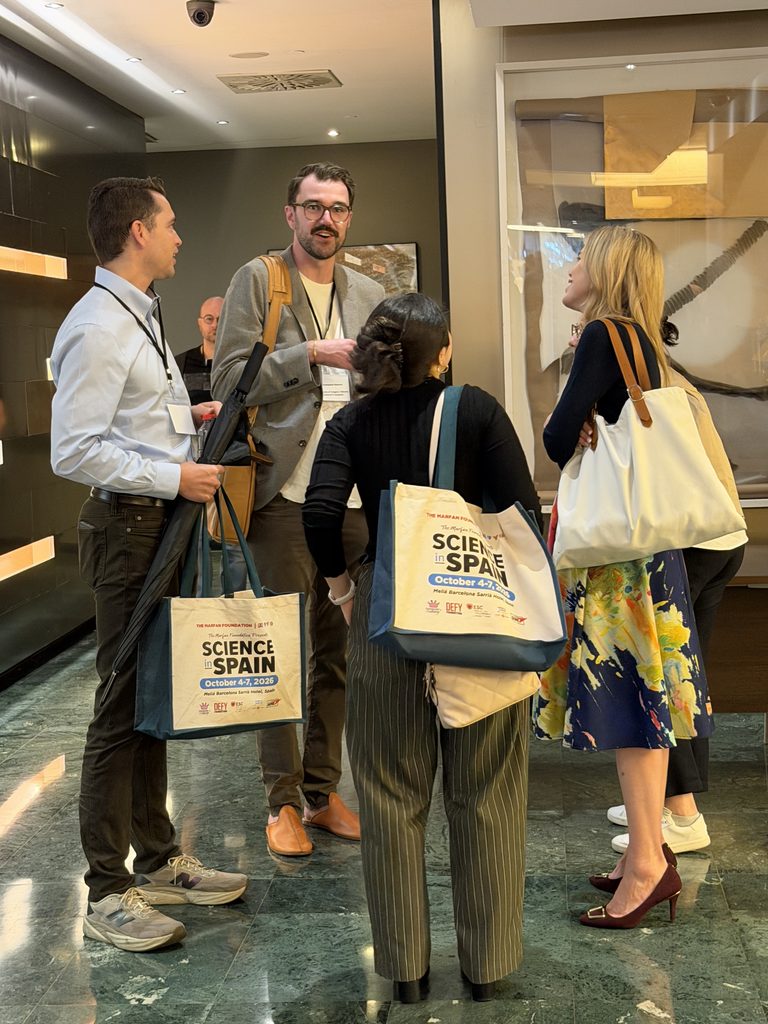
In October 2026, Science in Spain brought together 277 attendees from 24 different countries and six continents. This meeting consisted of the 12th International Symposium on Marfan, Loeys-Dietz and Vascular Ehlers-Danlos Syndrome and the Genetic Aortic Network (formerly GenTAC) Summit.
Marfan Foundation Board Chair-Elect Dr. Alan Braverman said, “The meeting in Barcelona was fantastic: so many young scientists and researchers in attendance presenting their latest work that has been supported by established investigators. This meeting provided new insights in disease, potential advances in imaging, and the hope of genetic manipulation in managing disease. And, great networking and sharing ideas with colleagues from around the globe is one of my favorite things about these gatherings.”
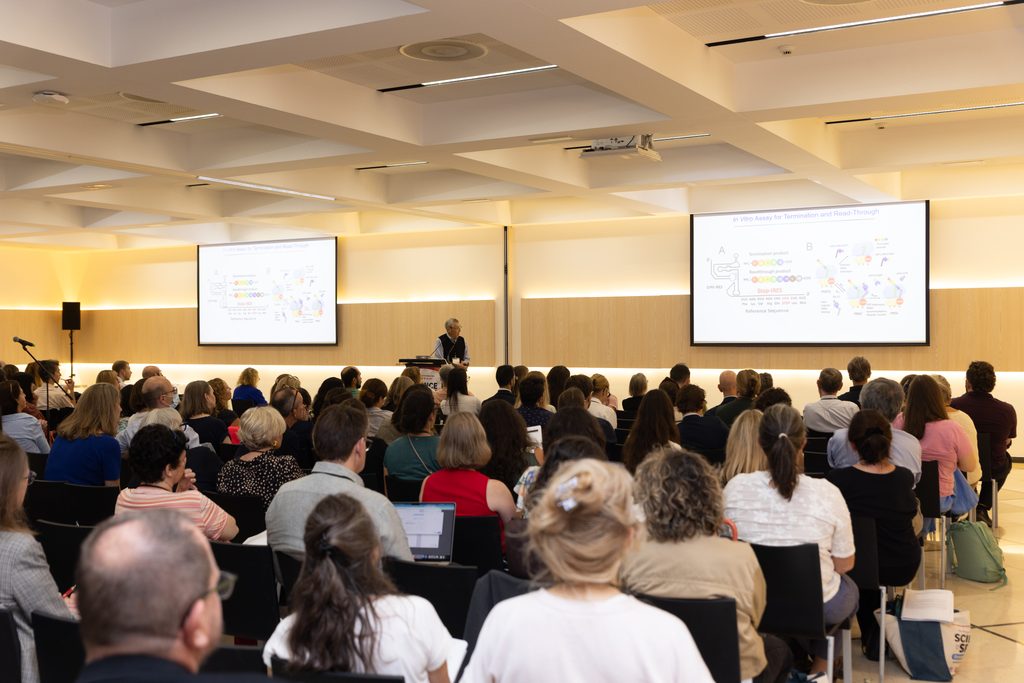
Since the Marfan Foundation’s inception, the non-profit has organized and funded International Symposium meetings to bring the best and the brightest together to discuss current research and initiative research directives for Marfan syndrome to help turn scientific discoveries into earlier diagnoses, safer care, better treatments, and ultimately longer, healthier lives for everyone touched by Marfan syndrome and related conditions.
One of the major goals of the meeting was to take a deep dive into the processes that result in these conditions and investigate drug therapies to improve and extend life. Marfan, Loeys-Dietz Syndrome, and VEDS are caused by gene mutations. Many presentations highlighted how these gene changes affect numerous processes that contribute to each disease.
Dr. Julie De Backer, who leads a team that’s research is funded by an Everest Award from the Foundation and understands first-hand the essential nature of scientific collaboration said, “It is with a head, heart and hands full of new knowledge, ideas and warm friendships that I am returning home from Barcelona!”
Research Highlights
Gene changes in fibrillin-1 affect the expression of transforming growth factor-β, and this has been highlighted for years. But the disease progression is not that simple, and that is not the only change that takes place. During this meeting, studies investigated numerous affected pathways, including oxidative stress, inflammation, and immune pathways, all of which contribute to an enlarging aorta and possible aortic dissection. New research by Dr. Yale Goldman from the University of California, Davis, is novel. He is studying how some Marfan mutations result in a shortened, non-functional fibrillin molecule. By understanding how that detailed process works, he has identified drugs that can help modify that process and allow a full strand of fibrillin to be produced. This type of research has been used to develop drugs for muscular dystrophy. Hopefully, drugs can be developed for some Marfan patients that can reduce aortic enlargement and reduce the need for surgery.
Registry studies were a major part of both meetings. Dr. Shaine Morris from Texas Children’s Hospital and a member of the Foundation’s Professional Advisory Board is using data from the Pediatric Heart Network Losartan Trial and CLARITY registry to generate a prediction model for aortic root growth among children with Marfan syndrome and use it to help families estimate when their child’s aortic root will reach a surgical threshold. She and her colleagues are building a model that accounts for sex, the phase of growth or puberty a child is in, and medication exposure. Using this data and multiple echocardiogram readings, models are being built to estimate aortic root size 1-5 years ahead. The goal is a tool any clinician can use at the first visit: enter age, sex, and aortic root size, and get predicted root sizes at one, two, and three years out, and an estimated time to the 4.5 and 5.0 centimeter thresholds. Once the model is completed, the tool could be available for clinicians via a website calculator, an EHR smart tool, or a phone app.
Nick Burris, MD, from the University of Wisconsin, shared his work on “Predicting Aortic Dissection Using Advanced Image Analysis.” This study is developing and applying predictive models that incorporate new information from 3D growth maps generated from serial CT scans. These maps may detect subtle changes in aneurysm growth and length, wall stress, and shape. Using human data, the researchers have found early evidence supporting the idea that measurable regional remodeling can precede aortic dissection, even when the aorta is not particularly large and its diameter remains within normal limits. In some cases, small growth changes just above the sinotubular junction—below the point where aneurysm diameter is typically measured—have been identified in areas of increased wall stress where early tears associated with dissection occur. The use of multiple measurements in combination with aneurysm diameter still needs to be tested in large cohorts using pre-dissection images from patients. This work may help clinicians better assess dissection risk and identify patients who could benefit from surgery at earlier size thresholds.
Sherene Shalhub, MD, from the Oregon Health and Sciences University, presented the first data from the Emergency Department Experience Survey for Vascular Ehlers-Danlos Patients. The survey was distributed to 248 people, of whom 96 individuals completed the survey. Patient-reported experiences from 92 ED encounters indicated that 59% were seen quickly enough, 77% indicated the care was adequate, and 25% returned to the ED or sought care elsewhere. 50% of the patients reported that hospital staff were knowledgeable about VEDS. The survey also showed that the use of patient-provided resources care was rated adequate. Follow-up interviews are planned. The conclusions from the study were that (1) VEDS may be known, but care is not always translated into appropriate action (2) reviewing information and communication with the VEDS clinician improves care (3) patients often arrive prepared and should be engaged as partners. Documenting VEDS emergency room encounters is essential to improve care.
Dr. Alessandro Della Corte who took part in the meeting called the event, “One of the most stimulating scientific programs I’ve ever seen.”

The Marfan Foundation drives research, education and support – and builds community – to improve outcomes, save lives and empower all people to thrive who are living with Marfan, Loeys-Dietz, Vascular Ehlers-Danlos syndromes, and related genetic aortic and vascular conditions.