

The Marfan Foundation worked with leading medical experts to secure a dedicated diagnosis code that could help improve access to care for people living with Loeys-Dietz syndrome.
For years, people living with Loeys-Dietz syndrome (LDS) have faced challenges obtaining insurance coverage for medical care that is considered standard for their condition. Now, thanks to an advocacy effort led by the Marfan Foundation in collaboration with medical experts, a new diagnosis code could help reduce some of those barriers.
“For people with Loeys-Dietz syndrome, this has been a real challenge,” said Stacey Watson, Director, Loeys-Dietz & Marfan for the Marfan Foundation. “We heard from community members who were struggling to get insurance approval for imaging and other care that is considered standard for LDS.”
Effective October 1, 2026, Loeys-Dietz syndrome has its own International Classification of Diseases, Tenth Revision, Clinical Modification (ICD-10-CM) diagnosis code: Q87.A.
These codes are used by healthcare providers to document medical conditions and by insurance companies to process claims and assess medical necessity.
Previously, LDS was often coded as Q87.89, “Other specified congenital malformation syndromes, not elsewhere classified,” or under codes associated with other connective tissue conditions, including Marfan syndrome. However, LDS has important differences in its recommended monitoring and care.
A Collaborative Effort Years in the Making
The Foundation’s efforts to secure the code grew out of its ongoing advocacy for the LDS community and its previous experience obtaining a dedicated diagnosis code for bicuspid aortic valve (BAV).
Working with medical experts, the Foundation submitted a formal proposal to the Centers for Disease Control and Prevention (CDC) outlining the need for an LDS-specific code.
Hal Dietz, MD, and Gretchen MacCarrick, MS, CGC, who both serve on the Foundation’s Professional Advisory Board, played instrumental roles in developing the proposal, with Dr. Dietz presenting the case to the CDC’s ICD-10 Coordination and Maintenance Committee in September.
The process involved submitting supporting documentation, presenting the proposal for consideration, responding to feedback, and waiting through the federal review process before the new code was approved.
“This is an important step forward, not only for insurance coverage but also for improving how Loeys-Dietz syndrome is recognized in healthcare systems,” said Lauren May, MPH, Senior Vice President of Research for the Foundation, who helped coordinate the effort. ”More accurate identification can support better clinical care, research, and long-term monitoring.”
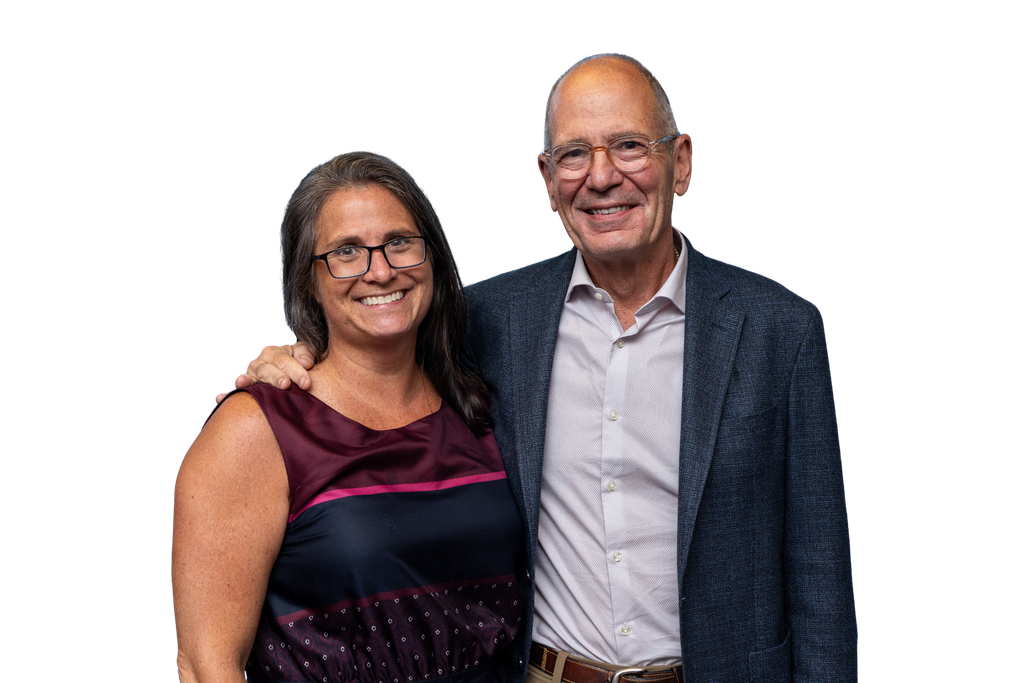
MacCarrick, who has worked with individuals and families affected by LDS for more than two decades, highlighted the significance of groups coming together to enact change.
“This achievement also reflects the importance of collaboration between patients, clinicians, and advocacy organizations like the Marfan Foundation and its Loeys-Dietz division. Ultimately, we can’t improve care for a patient population if we can’t accurately identify them. This is about giving a rare disease the visibility it deserves,” said MacCarrick.
Why the New Code Matters
Approximately 30 million Americans live with rare diseases, many of which require specialized care and ongoing medical monitoring. For these individuals and families, navigating the healthcare system can be especially challenging. Without accurate diagnostic documentation, patients may face additional administrative hurdles when seeking appropriate care and insurance coverage.
For people with LDS, the lack of a dedicated diagnosis code has been one such barrier.
LDS is a genetic connective tissue condition that can affect the cardiovascular system, skeleton, skin, and other parts of the body. People with LDS often require specialized medical monitoring and care that differs from what is recommended for other connective tissue conditions.
Dr. Dietz explained why recognizing these differences is so important.
“A diagnosis code specifically for Loeys-Dietz syndrome will highlight the unique complexities of this disorder including the need to broadly image the arterial tree, to apply appropriate surgical thresholds, and to consider and address disease-specific manifestations including cervical spine instability and the potential for severe allergic reactions and gastrointestinal inflammation. This is a major step forward for individuals with LDS and their care providers that will facilitate both clinical and research priorities.”
The new code provides a more accurate way for healthcare providers to document the condition and explain the medical necessity of recommended care. It may also benefit medical research by making it easier to identify people with LDS in electronic health records, track patterns of care, and better understand the needs of the community.
A Personal Perspective on the Importance of Accurate Diagnosis
For Heidi Allfrey, COC, CPC, CEMC, a certified medical coder, the significance of the new code is both professional and deeply personal.
Her brother, Brandon Crawford, lived with LDS until his death in January 2025. Throughout his life, he faced significant medical challenges and struggled for years to obtain disability benefits.
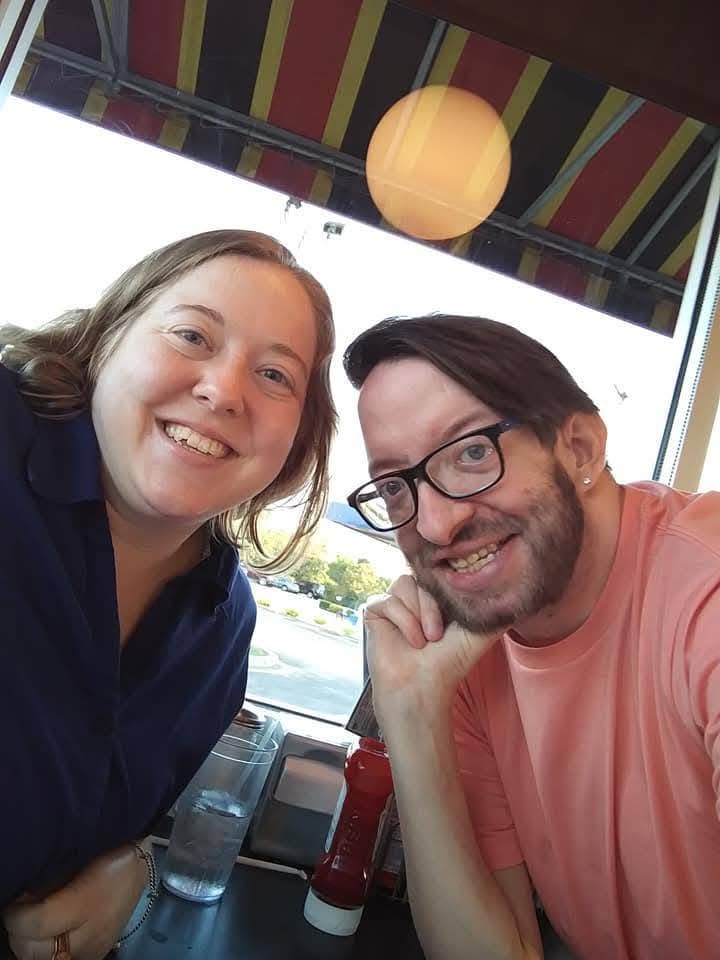
“It took my brother, Brandon, several years to receive disability. After over a dozen surgeries, including his eyes, heart, spine, and abdomen, he was left unable to stand or sit for long periods of time. His eyesight was failing as well and he often experienced sick days that left him unable to get out of bed.”
Despite extensive medical documentation, Brandon’s condition was not always adequately recognized in the disability review process.
“The main problem he ran into was that his diagnosis in his medical record was always “other.” There was no definitive diagnosis to prove the severity of what he was experiencing.”
Allfrey believes that having a diagnosis code specific to LDS is an important step toward helping healthcare professionals and insurance providers better understand the condition and its potential complications.
“Overall, the ability to name and give a medical precedent to this condition will ultimately open more doors to individuals with Loeys-Dietz syndrome and help them receive the care they need.”
Although a diagnosis code alone does not guarantee insurance coverage or disability benefits, it provides a more precise way to document LDS and communicate the condition’s medical complexities.
What the LDS Community Should Know
People diagnosed with Loeys-Dietz syndrome are encouraged to speak with their healthcare providers about the new ICD-10-CM code, Q87.A, and ensure that it is reflected appropriately in their medical records and insurance claims.
Healthcare professionals who care for individuals with LDS should also begin using the new code when documenting the diagnosis.
For the Marfan Foundation, the new code represents an important milestone in its ongoing efforts to improve access to appropriate care, strengthen collaboration with medical professionals, and advance research for the LDS community.
___________________
If you have questions about the code or other non-emergency medical questions, please reach out to the Marfan Foundation’s Help & Resource Center at Marfan.org/ask.
Susan Benvenuti is the VP, Integrated Marketing & Communications for The Marfan Foundation. She enjoys getting to know community members and sharing their unique stories. If you would like to share yours, we’d love to hear from you - get started by emailing sbenvenuti@marfan.org.