
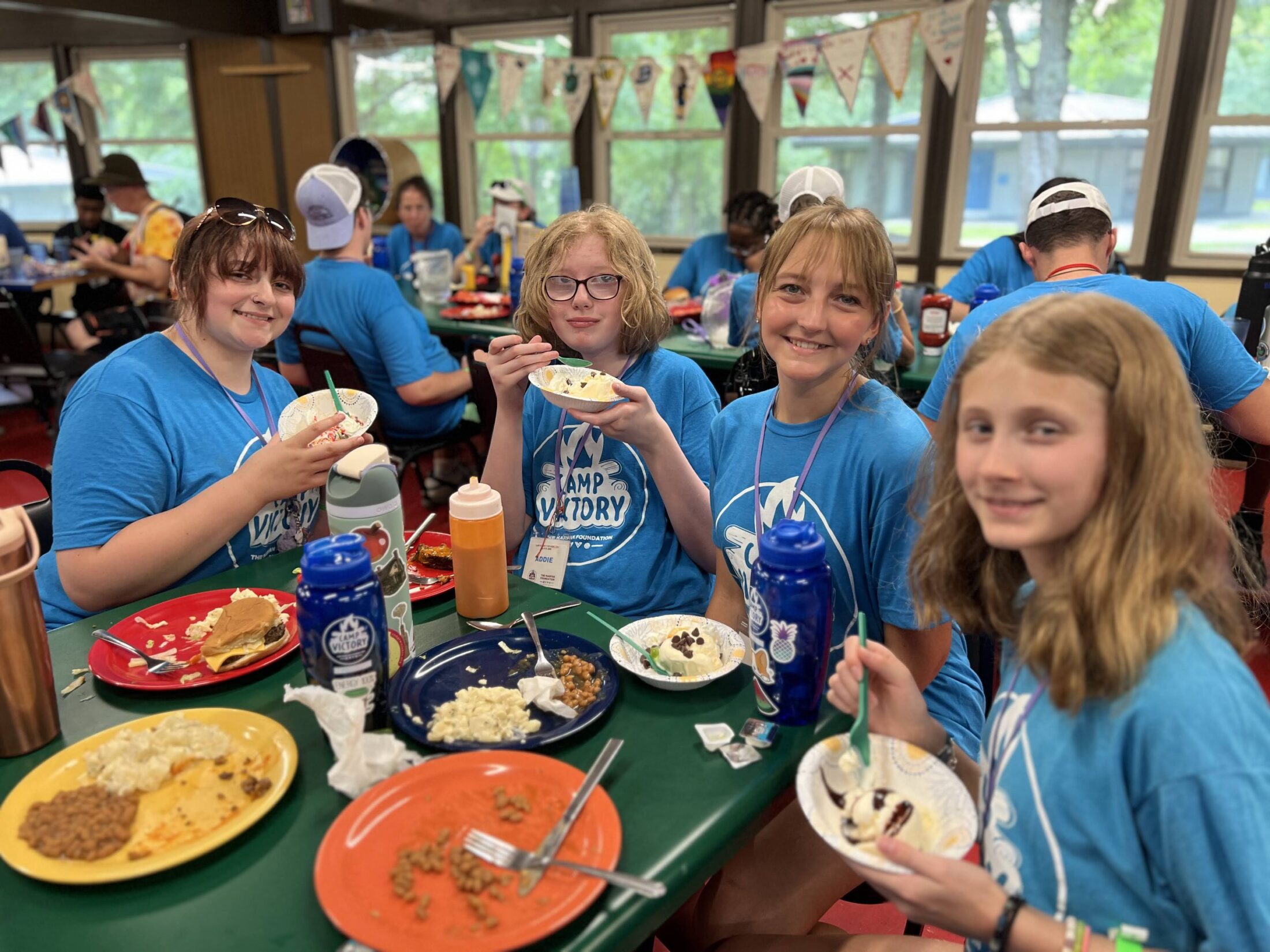
There are subtle changes at Camp Victory for Kids’ two five-night summer camp sessions each year. A new evening activity. An off-site adventure. A different craft or elective.
But one thing stays the same: the amazing camper transformations.
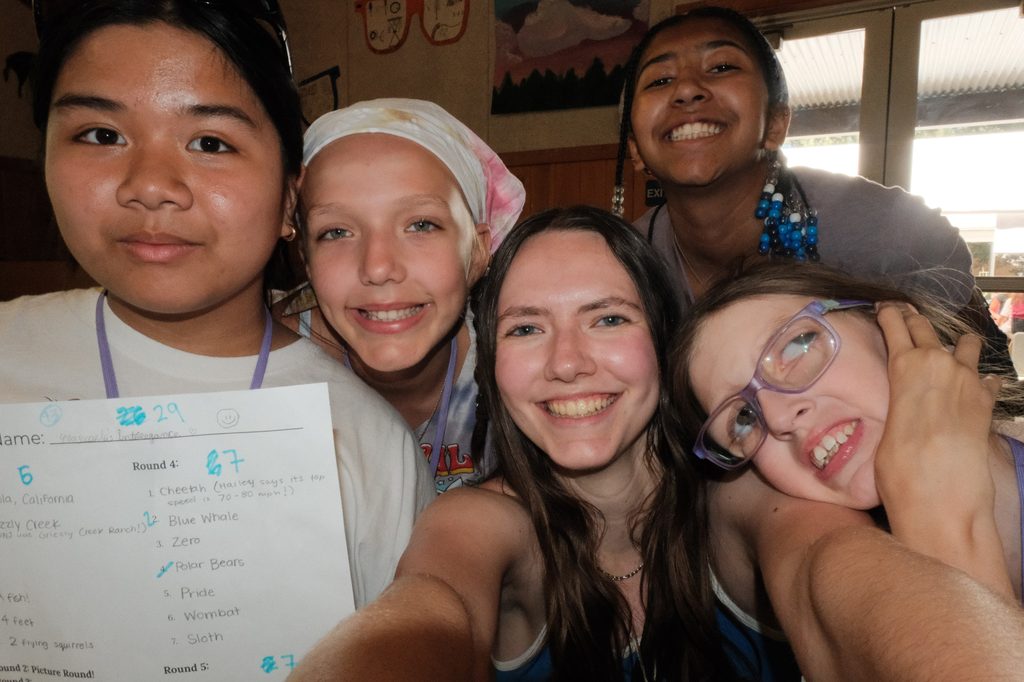
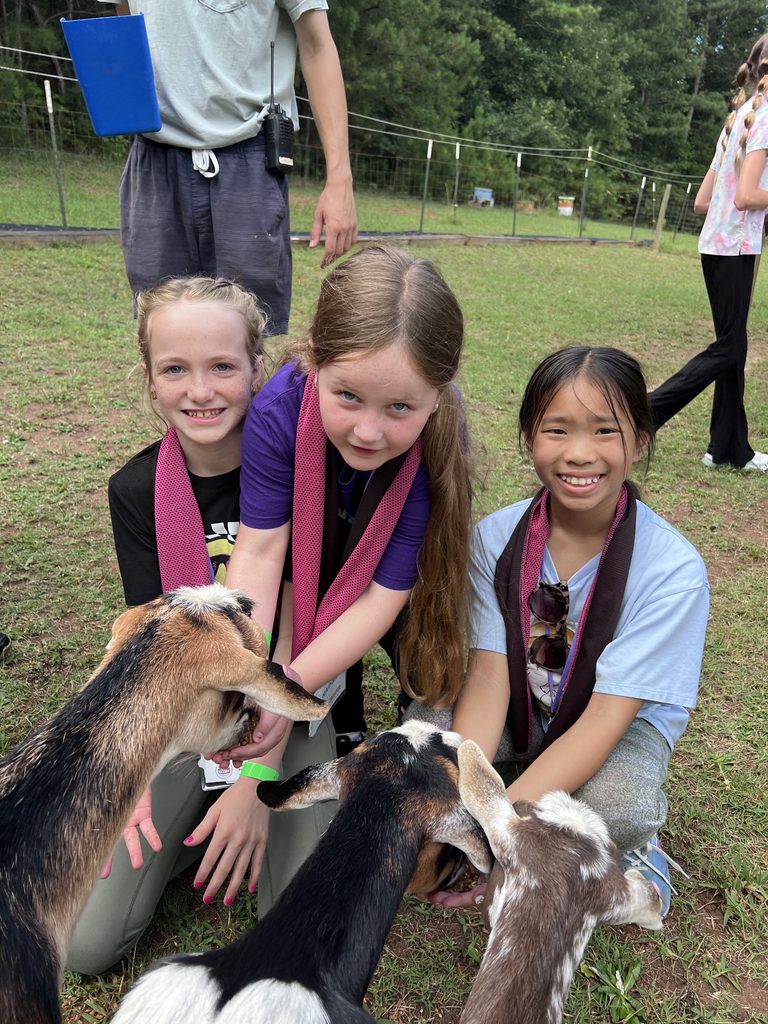
“From the first moment the kids get there, everything is geared toward helping them connect with each other and get acclimated to camp,” says Camp Director Andrea Friedman. “But for me, the highlight is watching kids transform from day one to day six. Kids that may have been hesitant at first don’t want to leave at the end. Often, you get kids who haven’t ever met anyone else with a similar condition, and by the end they have a true sense of belonging. I see it again and again.”
Stacey Watson, Director of Loeys-Dietz & Marfan at the Foundation echoes that sentiment. “What we see happen to campers in just one short week is incredible,” she says. “When they’re at camp, their condition becomes the least interesting thing about them…they’re just free to be kids. It’s beautiful.”
Andrea explains that each camp “kind of has their own thing.” But they both offer a traditional summer camp experience with adaptive activities and medical supervision onsite.
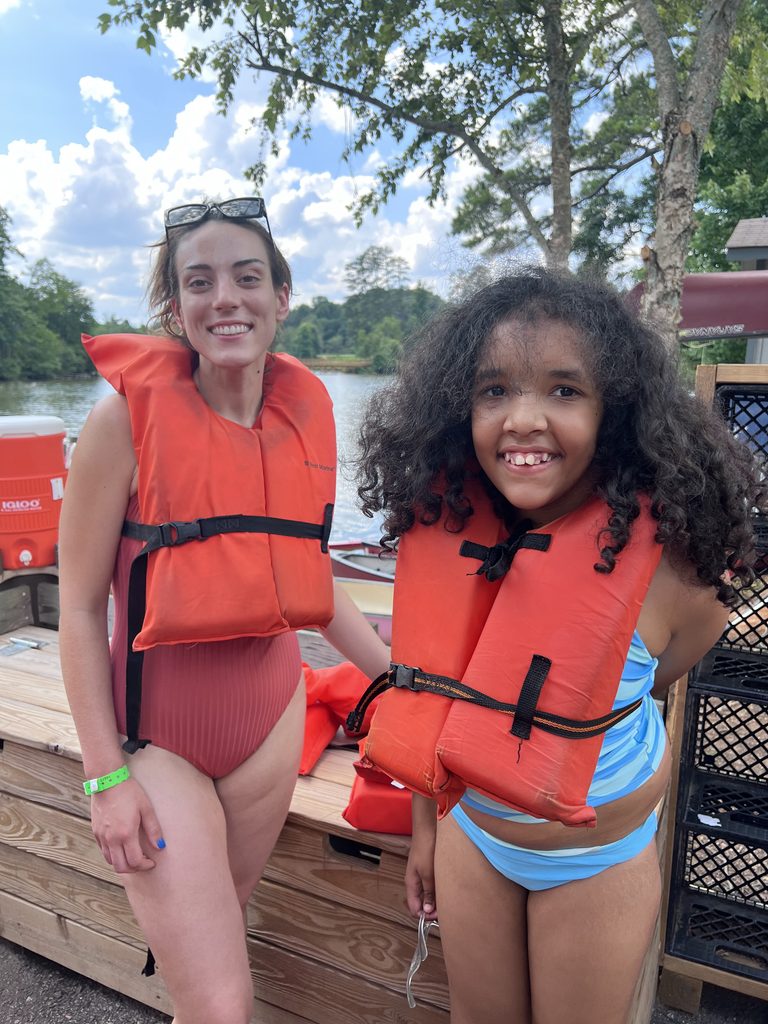
The Georgia Camp, held July 5-10 in Winder, about 50 miles northeast of Atlanta, brought together 35 campers from 14 states, supported by 20 volunteers and staff representing 13 states. The group included 20 first-time campers and 15 returning campers. Glen J. Iannucci, MD, of Children’s Healthcare of Atlanta served as Medical Director, while onsite nurses Julie Washington, V. Velez, and Rebecca Damaa helped ensure a safe and successful week.
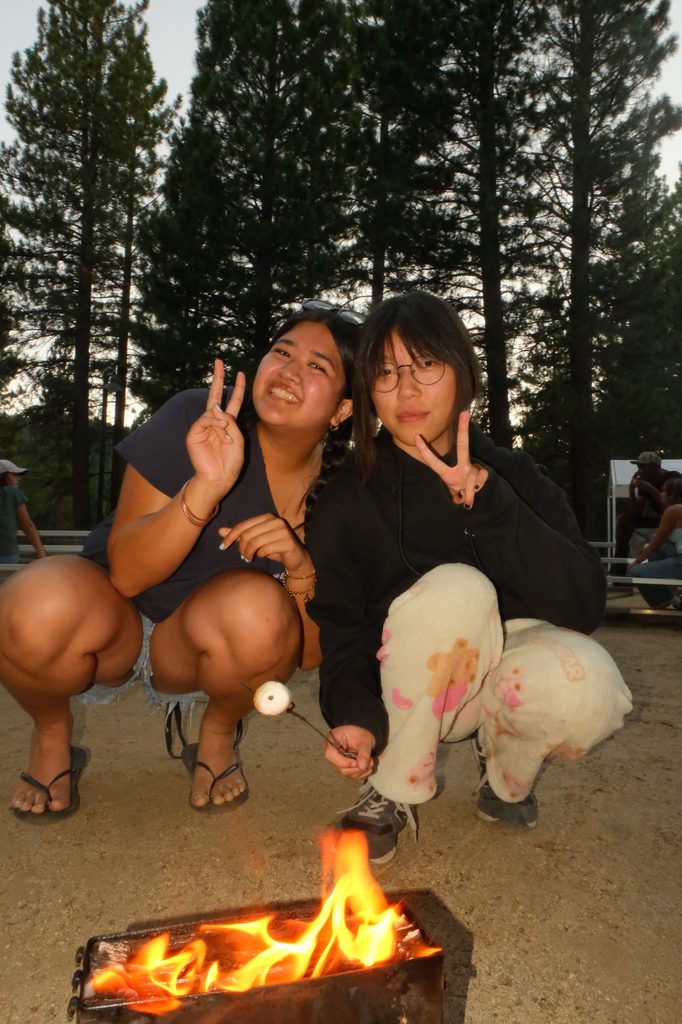
The California Camp, held at the Sierra Nevada Journeys Outdoor Education Camp in Portola, from July 26-31, welcomed 26 campers from eight states, supported by 14 volunteers and staff. The camp included 19 returning campers and seven first-time attendees. Medical Director David Liang, MD, a world-renowned cardiologist based at USC, and nurse Meg Boeglin provided outstanding onsite medical care throughout the camp session.
Andrea says that the majority of campers pick the camp that is closest to where they live. “But that’s not always the case. Sometimes other dates just work out better. A family might say, ‘Hey, I want to go on vacation at Lake Tahoe and drop my kid off at the California camp.’ We’ve had some campers that have been to both locations.”
Both sites are blessed with “our awesome, awesome counselors,” says Andrea. “Many of the counselors and other volunteers have one of these conditions themselves or family members who do, and they are able to be outstanding mentors and role models for the kids.”
Andrea calls out a longtime counselor at the Georgia camp who has Marfan. “On the last morning of camp they play the song ‘Lean on Me,’ while everyone stands in a circle. It’s truly emotional. This counselor was in tears and said to me: ‘I wish this camp was around when I was a kid.’ It’s amazing for the campers and for the counselors who know that they’re able to make a difference for kids in a way that wasn’t possible for them.”
The kids really notice the counselors’ dedication—and respond to it.
“This year, one of the scheduled counselors had to have heart surgery at the last minute, so he was not able to join us,” says Andrea. “But he’s been there every year, so the kids wanted him to have a FaceTime call with them, which we did.”
And while the counselors help create a welcoming environment, the camps themselves offer plenty of opportunities for kids to simply have fun.
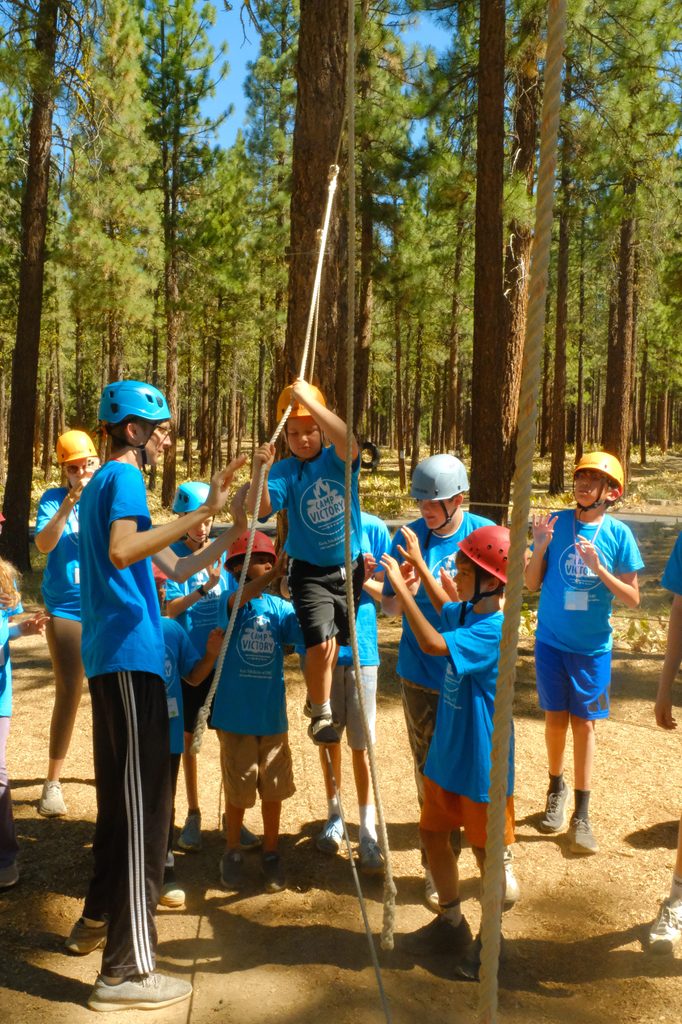
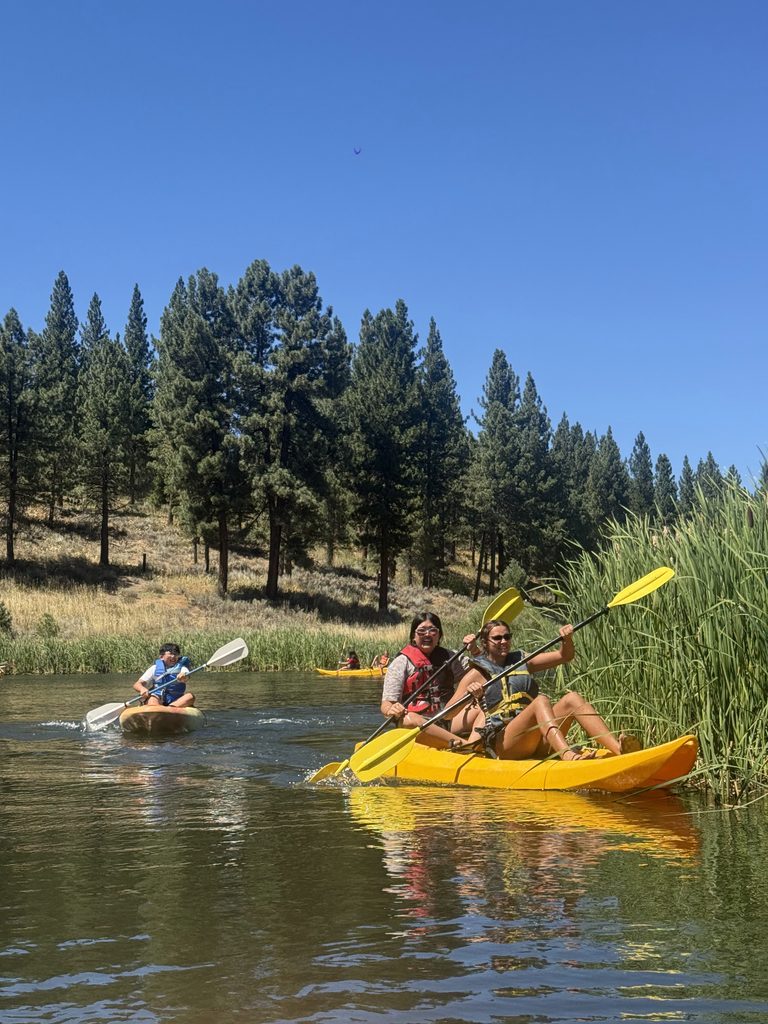
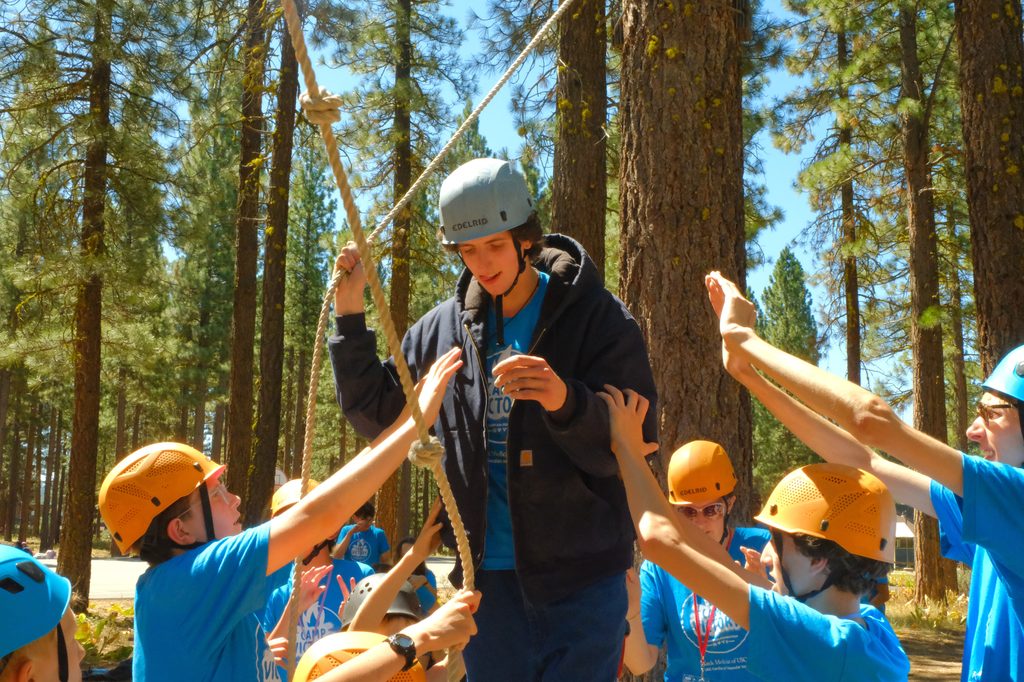
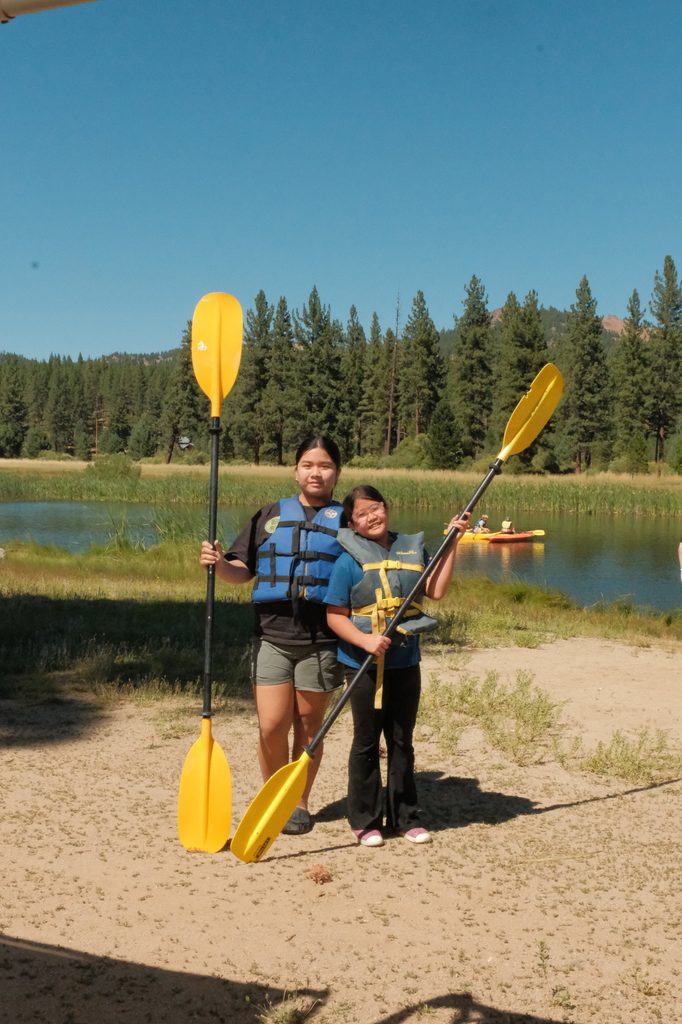
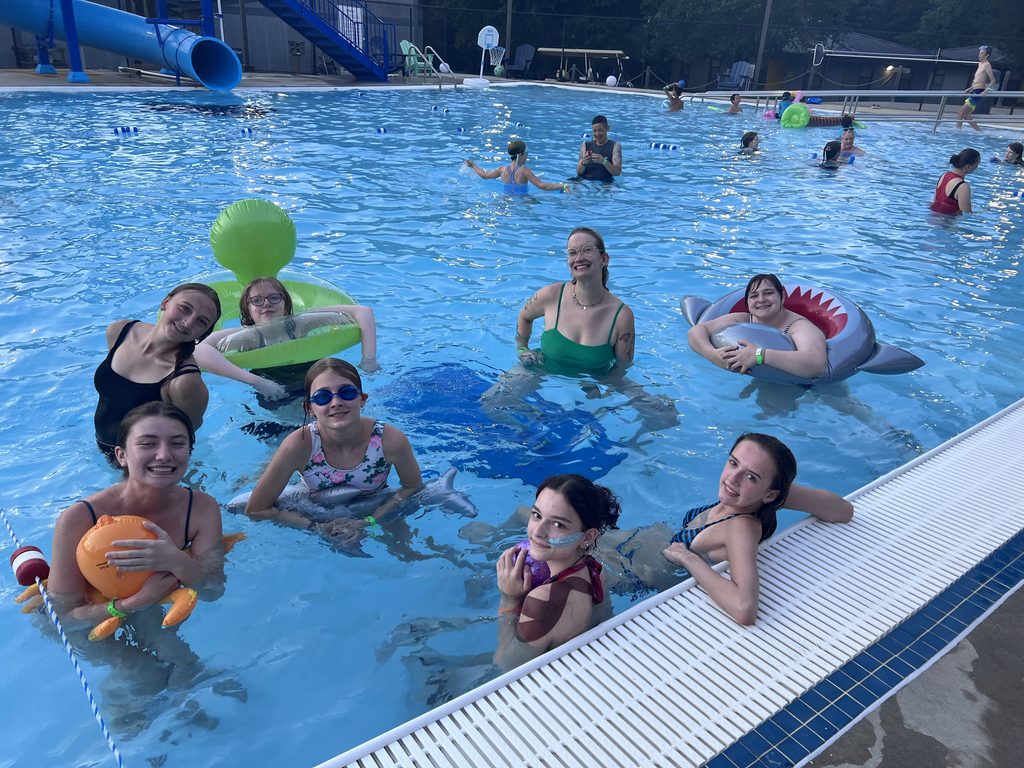
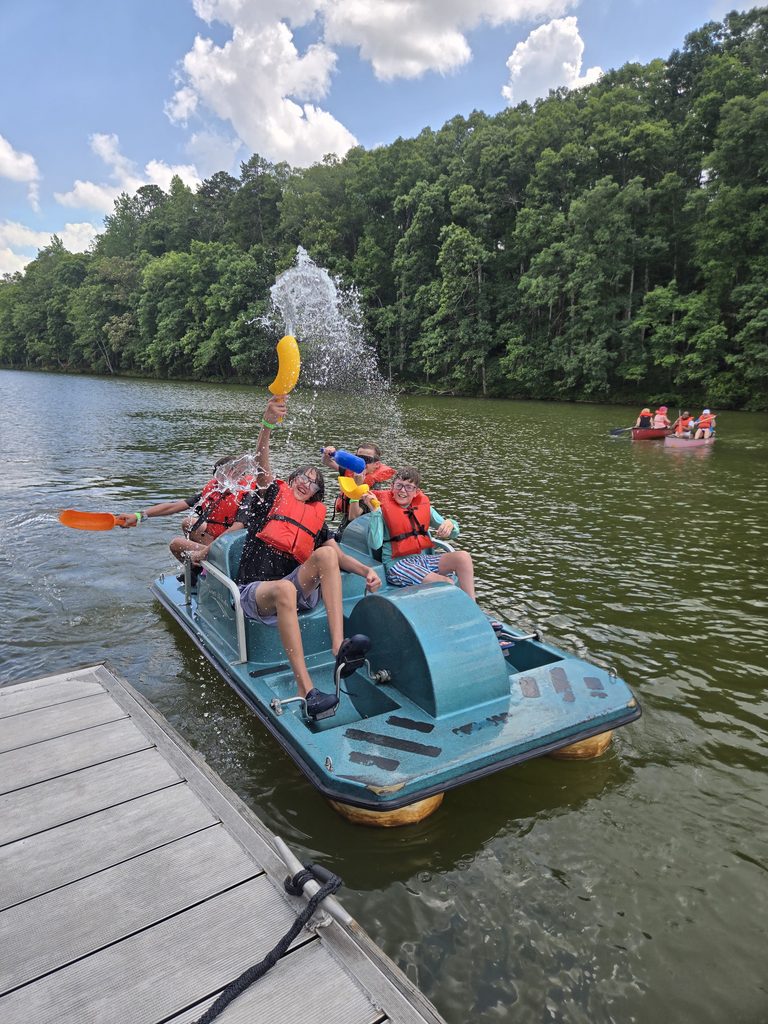
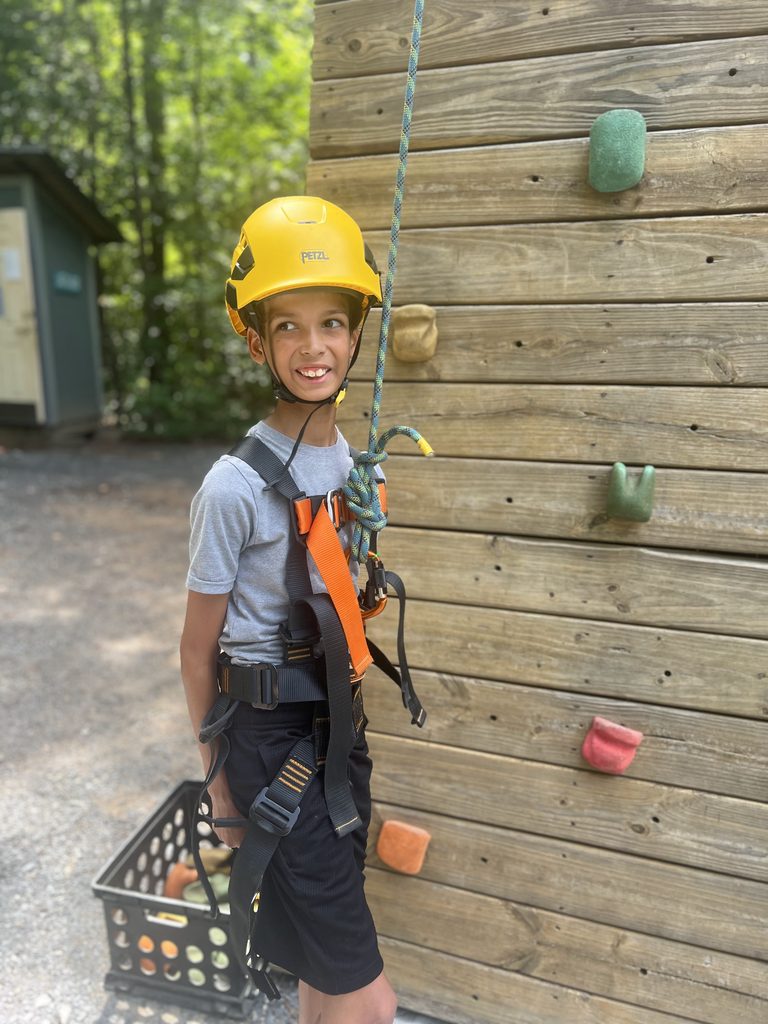
Andrea says that both camps focus on traditional activities like kayaking, archery, swimming, boating, arts & crafts, rock climbing and more. “Each camp has a bonfire with s’mores at least once, and swimming happens most days because both locations get pretty hot,” she says.
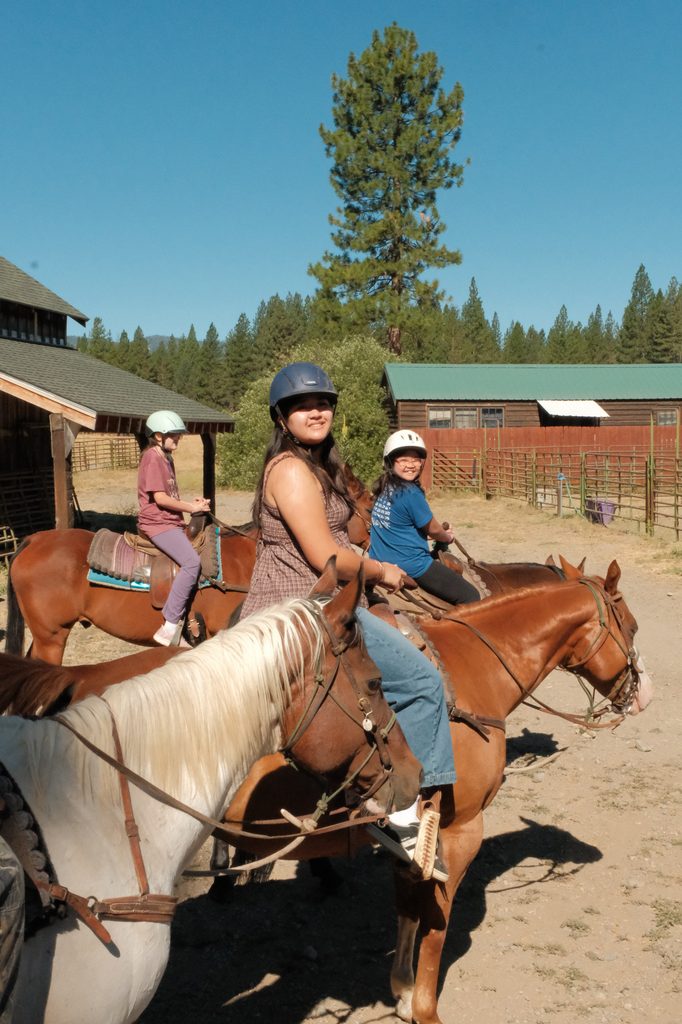
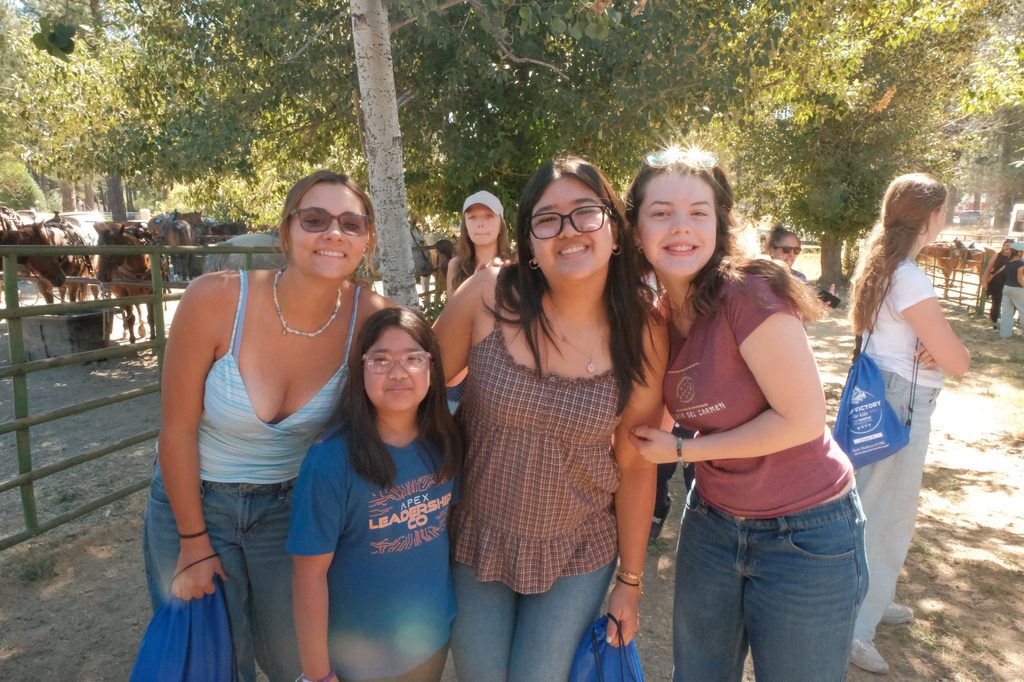
The Georgia camp offers fishing and horseback riding, while for the first time this year, the California camp featured an off-site trip that included horseback riding, fishing and mini golf.
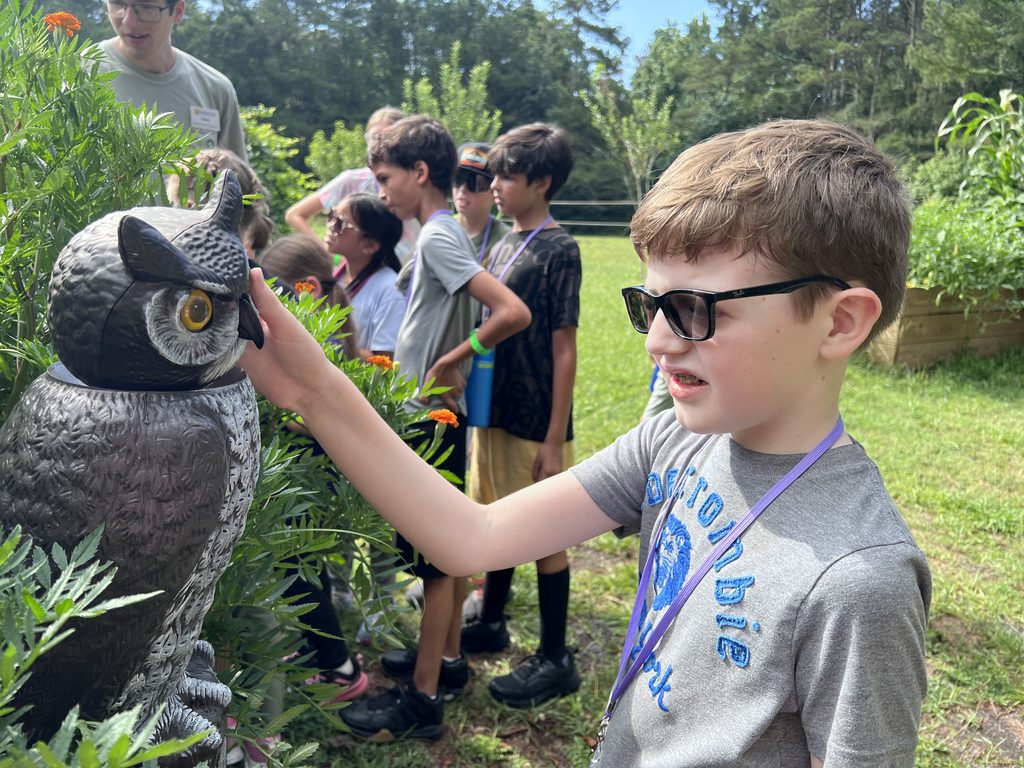
There’s also an elective at Georgia camp called “Discoveries,” which campers do three times during the week, whether they’re making soap or focusing on woodworking. “We also had a great time tie-dyeing Marfan Foundation bandanas.”
Evening activities vary from year to year and site to site. “But in both Georgia and California, there were new ones,” says Andrea. “One was an escape-room type of activity and one was a pirate-themed scavenger hunt.”
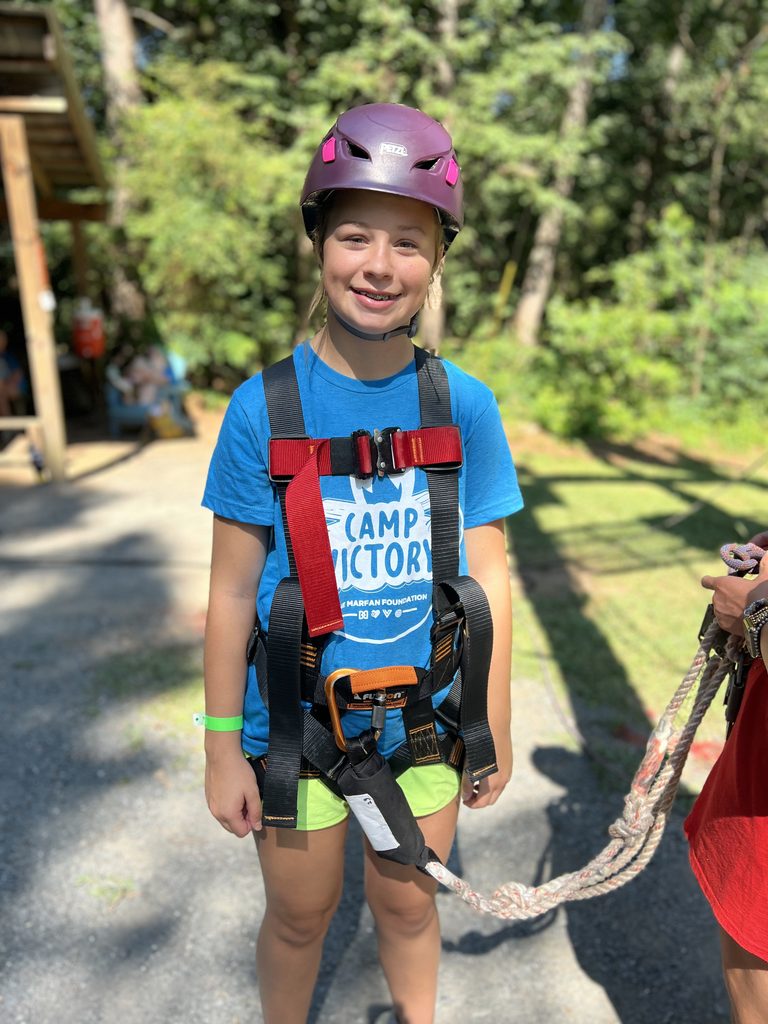
At both sites, there are campers who use wheelchairs. “There are many adaptive activities,” says Andrea. “For example, in California, there are two different kinds of zip lines. In one of them you can go in a seat.”
The bunks are organized by gender and age. “But we also have the whole camp together for all the meals, evening activities and some of the other activities,” she says.
The camp also welcomes siblings of kids living with Marfan or a related condition. This year, in Georgia, 11 of the 33 campers were siblings. “Everybody bonds, but I definitely think that siblings might connect on a different level than non-siblings. Sometimes they feel misrepresented or like they are not really focused on, so they’re able to connect in their own way as well.”
And those connections often continue long after campers return home.
“We send out a friendship list with kids’ contact information to help them connect. We also do a virtual camp reunion in either late fall or early winter. So they get to see each other on Zoom,” says Andrea.
She recalls a student from England who had attended the California camp for the first time in 2025 but wasn’t able to attend this year. “His friends who he met at camp arranged to do a FaceTime call with him while at camp because they missed him,” she says.
Naturally, it’s easier for the teens to stay in touch on their own during the year. “Sometimes, parents of the younger campers will set up a FaceTime call for the kids,” she says.
One year, one of the parents reached out to Andrea after camp because her son wanted to invite another camper and one of his counselors to his bar mitzvah.
“We’re talking about really meaningful relationships that are built here.”
Learn more about Camp Victory, including our two fall weekend Family Camps, also in Georgia and California, at Marfan.org/CampVictory.
Olivia Abel has been a strategic communications and editorial professional for more than 25 years. A passionate storyteller, she’s worked as a reporter at Vanity Fair and People magazines, written freelance business stories for The New York Times and spent a decade as Editor-in-Chief of Hudson Valley magazine. Olivia shares the stories of those affected by genetic aortic and vascular conditions in her current work as director of Integrated Marketing Communications at the Marfan Foundation.