

Early-career scientists are bringing their work—and their ideas— to the 2026 Science in Spain gathering.
There’s a lot to be excited about at the 2026 Science in Spain gathering: world-class scientists and clinicians, new collaborations, the latest advances in research and clinical care for Marfan, Loeys-Dietz. VEDS, and related conditions, and an outstanding opportunity to bring the next generation of researchers into the conversation.
Taking place October 4–7 in Barcelona, the four-day scientific program combines the 12th International Symposium on Marfan, Loeys-Dietz, Vascular Ehlers-Danlos (VEDS), and Related Syndromes with joint sessions involving the Genetic Aortic Network and, for the first time, the European Society of Cardiology. Two days will focus on basic and translational science, followed by two days centered on clinical management and registry studies.
Josephine Grima, PhD, the Foundation’s Chief Science Officer, spearheaded the meeting. “It’s a great opportunity to connect the research and clinical sides of the field,” she says. “Unlike much larger scientific conferences, Science in Spain brings together about 200 people with a shared focus on [genetic aortic and vascular] conditions. At a smaller meeting, there’s a lot more networking. This is very focused, and that’s one of the things people say they love about it: You really can hone in on research and management of these conditions and be very specific.”
The meeting also gives early-career investigators and post-docs a chance to connect with senior scientists and clinicians. “They can build relationships, and find opportunities to collaborate as they advance their careers in this field,” Dr. Grima says.
For one part of the conference, Dr. Grima personally reached out to leading experts in the field, hand-selecting speakers to share their expertise with attendees. But for the international symposium, she wanted to turn the format around: Give students, trainees, and early-career researchers the opportunity to present their work while established experts listened from the audience.
Dr. Grima put out a call encouraging students, trainees, and early-career researchers to submit abstracts. (Senior scientists were welcome to submit as well.) The response helped fill designated presentation slots within the program. A committee reviewed and ranked the abstracts, with the top 20 selected to receive $500 scholarships, primarily to help offset travel costs.
And for the early-career researchers attending the meeting, those opportunities are particularly meaningful. Here’s what some of them are doing—and what they’re looking forward to—at Science in Spain.
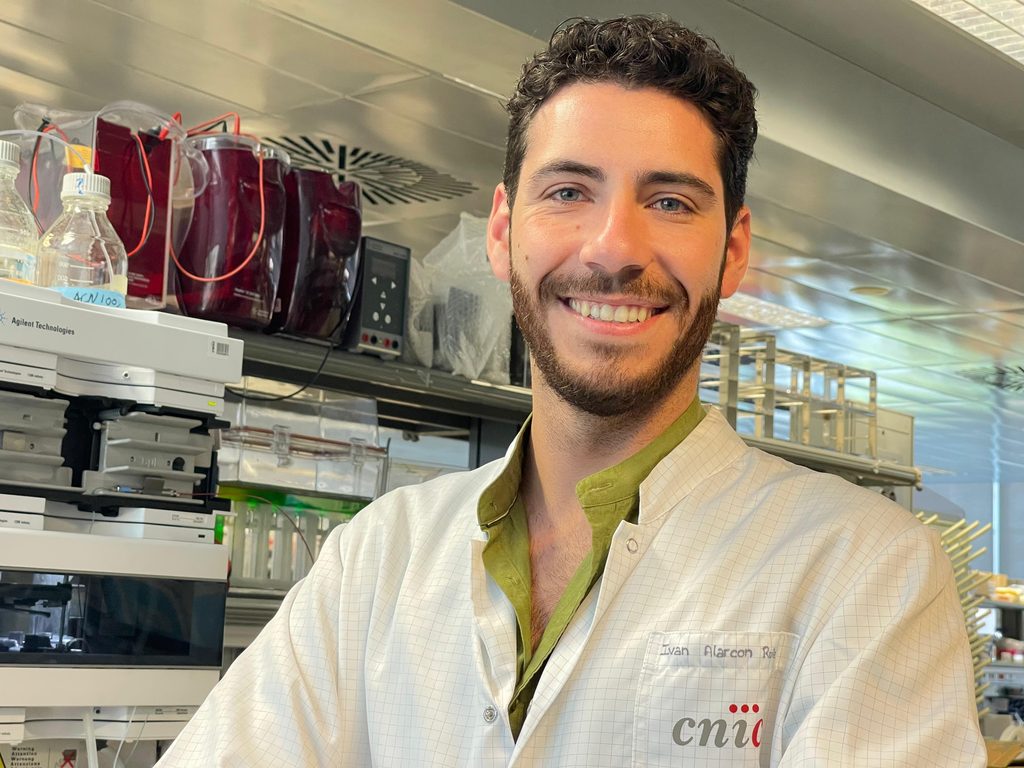
Iván Alarcon-Ruiz, Centro de Biologia Molecular Severo Ochoa (CBM-CSIC)
Targeting Fibronectin Accumulation Reverses Marfan Syndrome-Related Aortic Disease in Mice
”Our research aims to understand the molecular mechanisms underlying aortic aneurysms and dissections in patients with Marfan syndrome. Ultimately, this research could improve the health and quality of life of people living with Marfan syndrome and, in the future, help extend their life expectancy. Collaboration is key to advancing our understanding of these conditions, and we strongly believe that together, we can make a greater impact.”
Apoorva Bhandari, Oregon Health & Science University

Dermal Extracellular Matrix Abnormalities Reflect Genotype-Associated Substrate Vulnerability in Vascular Ehlers-Danlos Syndrome
“For decades, VEDS has been understood primarily as a disease of collagen deficiency, i.e. patients simply have “less” type III collagen. My work challenges that assumption. Using stable isotope-labeled mass spectrometry and transmission electron microscopy, we’ve shown that different COL3A1 variants don’t just reduce collagen quantity they change how mutant collagen chains are incorporated into the extracellular matrix and how uniformly collagen fibrils assemble. This matters to families because genotype alone still leaves enormous uncertainty at the bedside; two people with variants in the same gene can have very different outcomes, and clinicians and families are often left without a clear way to talk about individual risk. This recognition reinforces my commitment to a career at the intersection of connective tissue biology and vascular surgery.”
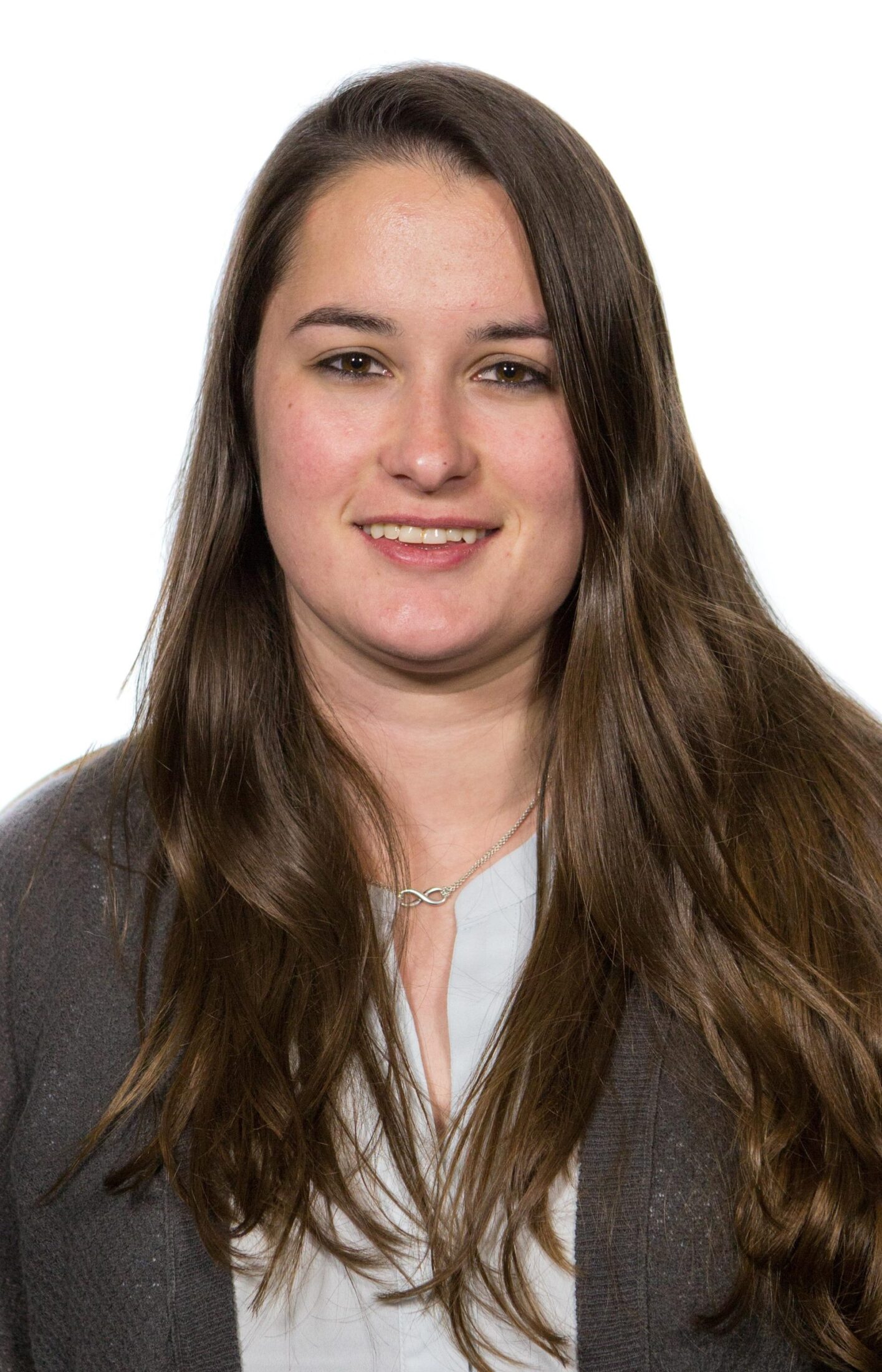
Emily Bramel, The Broad Institute of MIT and Harvard
High-Throughput Functional Profiling of Arterial Fragility Genes Reveals Shared Mechanisms of Extracellular Matrix Dysfunction and Vascular Instability
“During my PhD, I found that a gene called GATA4 drives inflammation that makes the aortic root especially vulnerable to aneurysm in Loeys-Dietz syndrome. Now, as a postdoctoral fellow, I’m asking a broader question: How does genetic variation shape vascular smooth muscle cell biology? … What first drew me to this field was a conversation with my PhD mentor that made me realize how much we understand about aortic disease genetics, yet how little that’s changed treatment for many patients. Most days I’m at the bench, and it’s easy to lose sight of the people behind the science.”
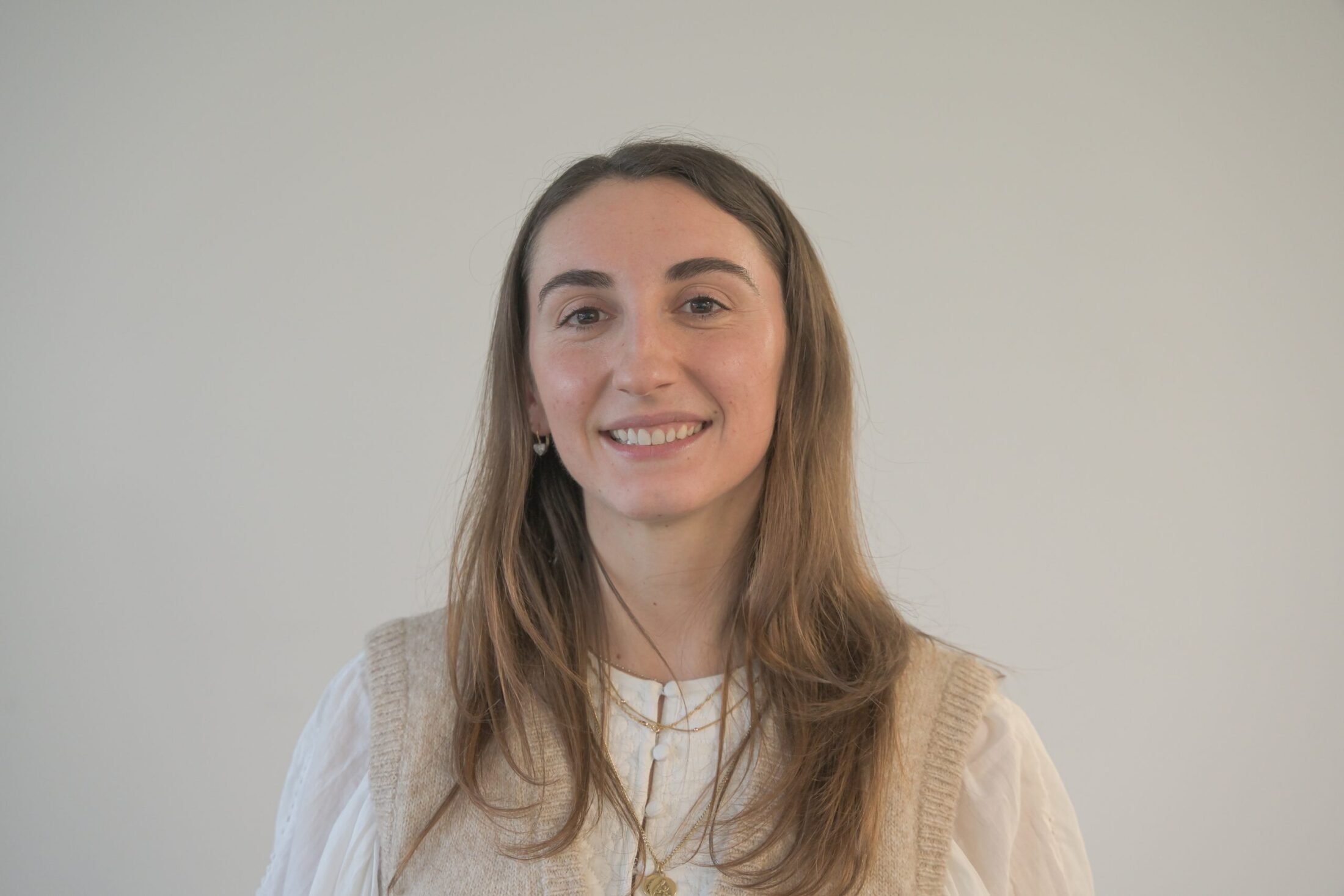
Lucia Buccioli, University of Antwerp
Striking Phenotypical Difference Between Ipo8 Knock-Out Mouse Models on Different Genetic Backgrounds Explored by RNA-Sequencing
“We still understand too little about the molecular mechanisms underlying these conditions. Before we can find a treatment, we need to dig deeper into the biology of thoracic aortic aneurysm. For me, as an early-career scientist, that kind of exchange is invaluable: it is how I will grow, refine my work, and stay connected to the people my research is ultimately meant to help.”
Ernesto Calderon Martinez, The University of Texas Health Science Center at Houston
Gene and Sex-Specific Risk for First Aortic Events in Heritable Thoracic Aortic Disease: Insights from the Montalcino Aortic Consortium (MAC)
“We are studying gene- and sex-specific risks for a first aortic event, as well as the risk of additional aortic events after proximal aortic repair. The goal is to move toward more individualized risk assessment rather than assuming that every patient with a heritable aortic condition carries the same risk. For patients and families, better risk prediction can ultimately mean more informed conversations about surveillance, timing of surgery, and long-term follow-up.”
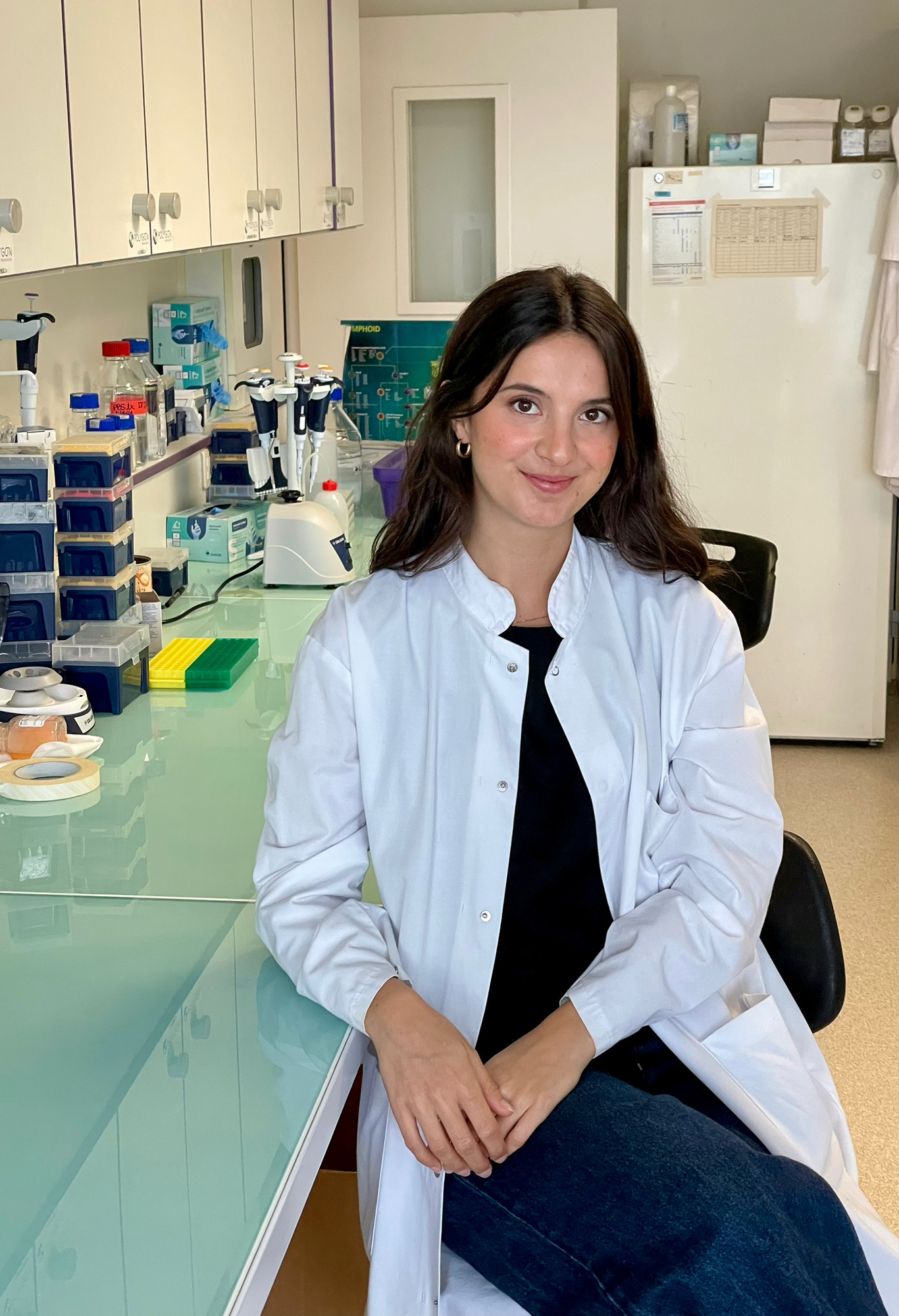
Luna Chetrit, Universite Paris Cite, Inserm
TREM-1 Aggravates Marfan Syndrome Aortopathy
“Marfan syndrome can lead to life-threatening aortic dissections, but we still do not fully understand the mechanisms that weaken the aortic wall. My research focuses on the inflammatory processes involved, particularly the role of monocytes and macrophages … This opportunity is particularly meaningful because it connects the work carried out by our team with the patients and families it is intended to benefit.”
Maarten Dhaese, Ghent University
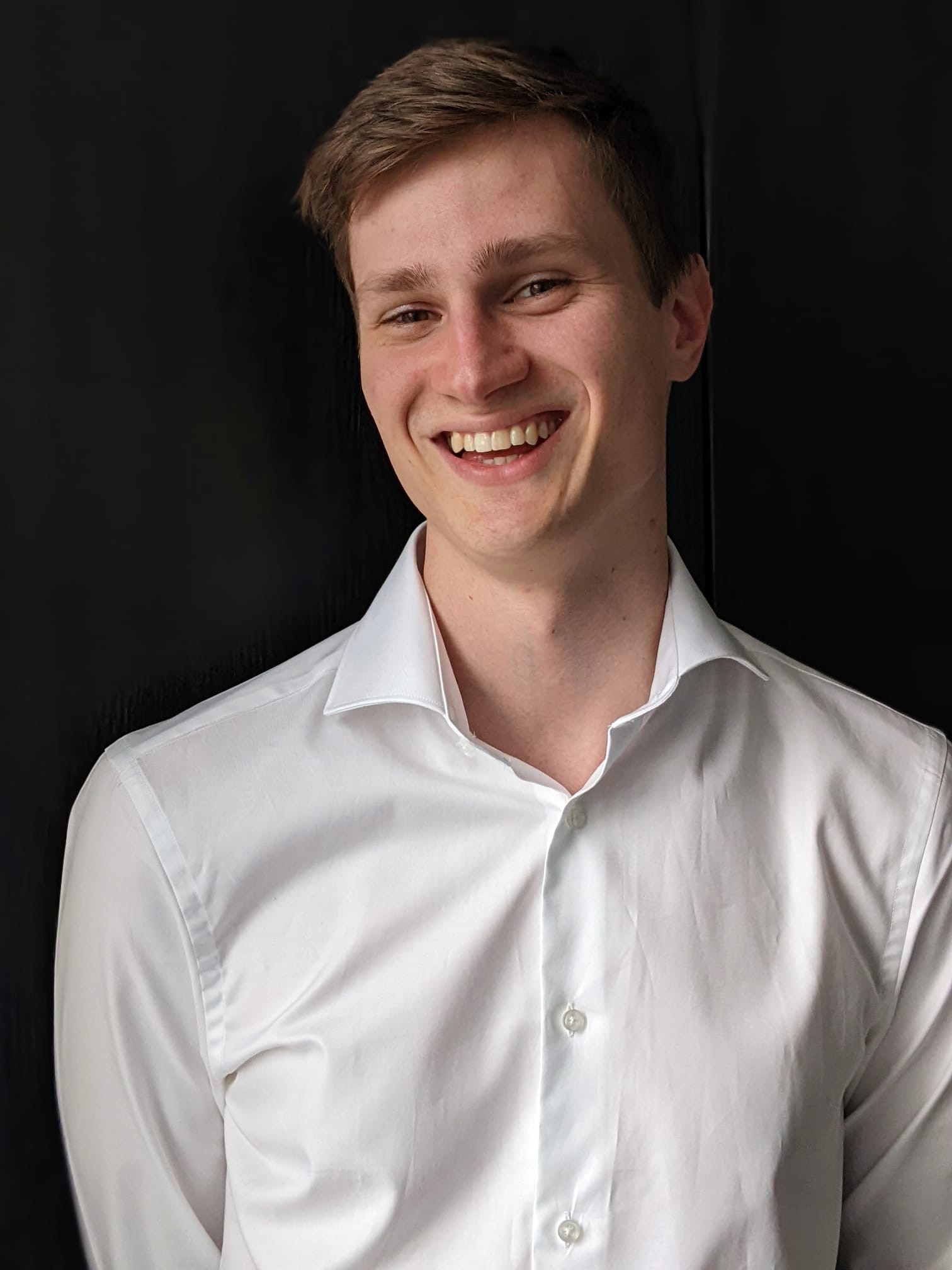
Unmasking Immune Cells in Marfan Syndrome: The Hidden Culprits Behind Aortic Disease?
“My hope is that the work we do in the lab can contribute, even in a small way, to making the disease more predictable and giving patients and their families more confidence in the care they receive…Being selected for this award is a great honor. It is especially encouraging to have our work recognized at a time when we are learning more about the role that the immune system may play in Marfan syndrome. The award gives me extra motivation to keep pursuing this research.”
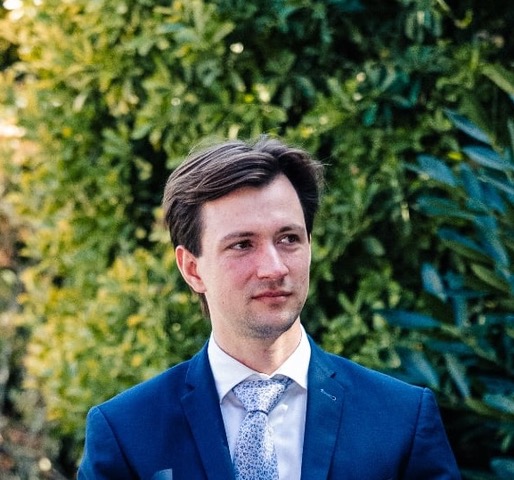
Simon D’hulst, Ghent University Hospital
Myocardial Recovery After Mitral Valve Surgery in Children with Marfan Syndrome: A Multicentre European Study
“By studying myocardial dysfunction, arrhythmias, and aortic stiffness, my colleagues and I hope to contribute to better surveillance, treatment decisions, and long-term outcomes for patients and their families… My ambition is not only to complete my doctoral research, but also to continue contributing to this field afterwards. I hope to develop into a scientist who can combine clinical and translational research to improve our understanding of cardiovascular complications in Marfan syndrome and ultimately contribute to better patient care.”
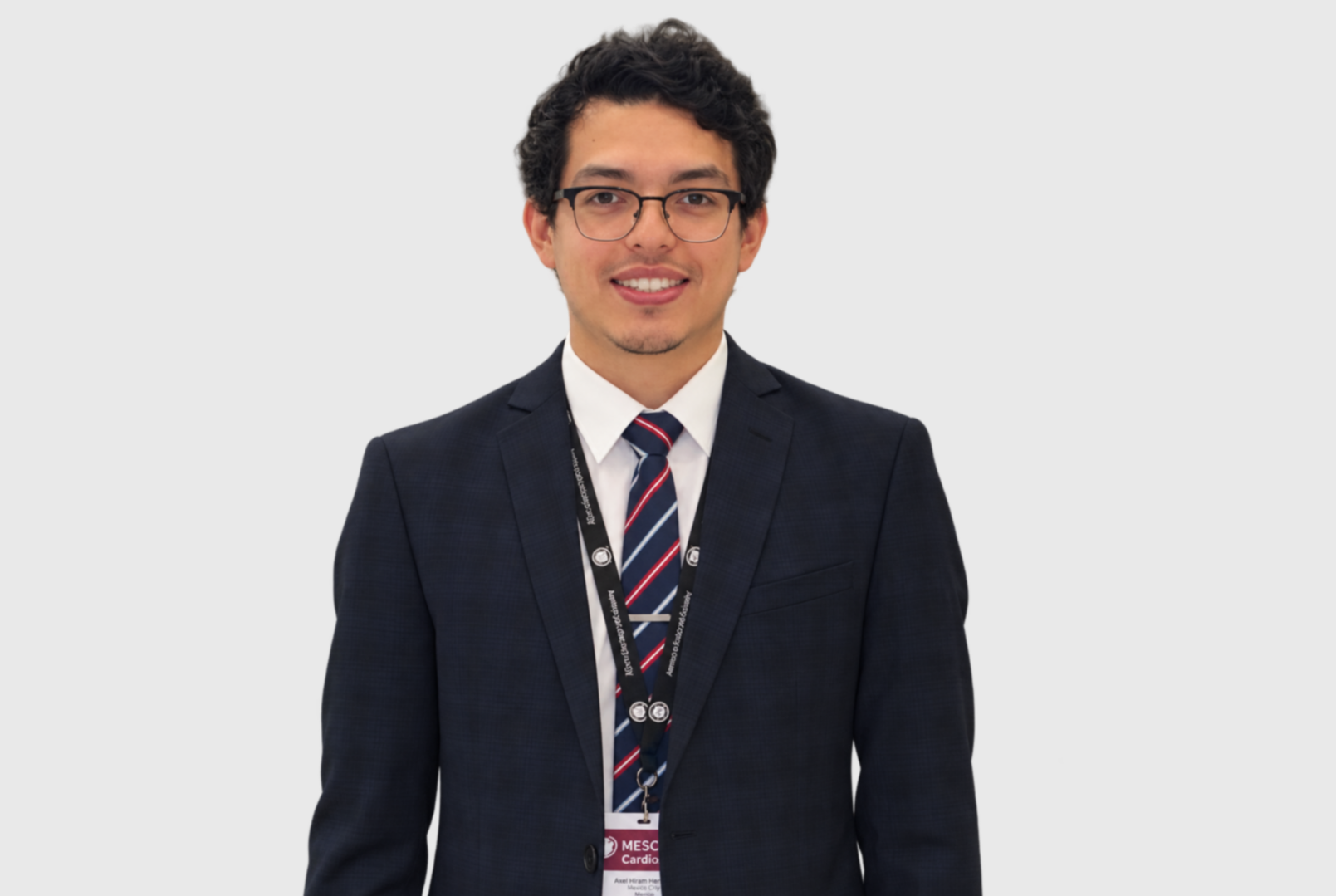
Axel Hernandez-Pineda – Vall d’Hebron University Hospital
Do Echocardiographic Thresholds Underestimate True Aortic Size? A Multimodality Analysis
“Ultimately, our goal is to make aortic surveillance more precise and reliable, so that clinical decisions can be better tailored to each patient over the course of their lives… Attending Science in Spain gives me the opportunity to connect with researchers and clinicians who specialize in these conditions, exchange ideas, and potentially build collaborations that can contribute to improving the care of these patients in the future.”
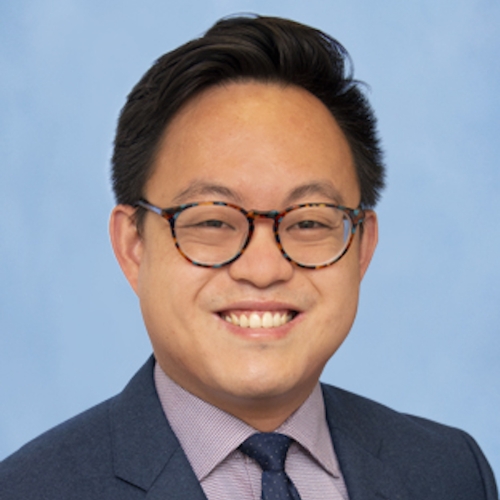
Andrew Huang, University of Michigan
The Impact of Time Spent Normotensive on Surgically Managed Aortic Dissection Outcomes
“Much research about aortic dissection has been focused on the acute period, but there is a need to understand how to best take care of patients long-term. Our work follows patients over years post-dissection to evaluate the effects of long term blood pressure management using pragmatic endpoints collected in the electronic medical record … Being selected for a Marfan Foundation Trainee Scholarship Award allows me to present in meetings where I can both share our team’s work and learn directly from the experts that guide state-of-the-art research in the field.”
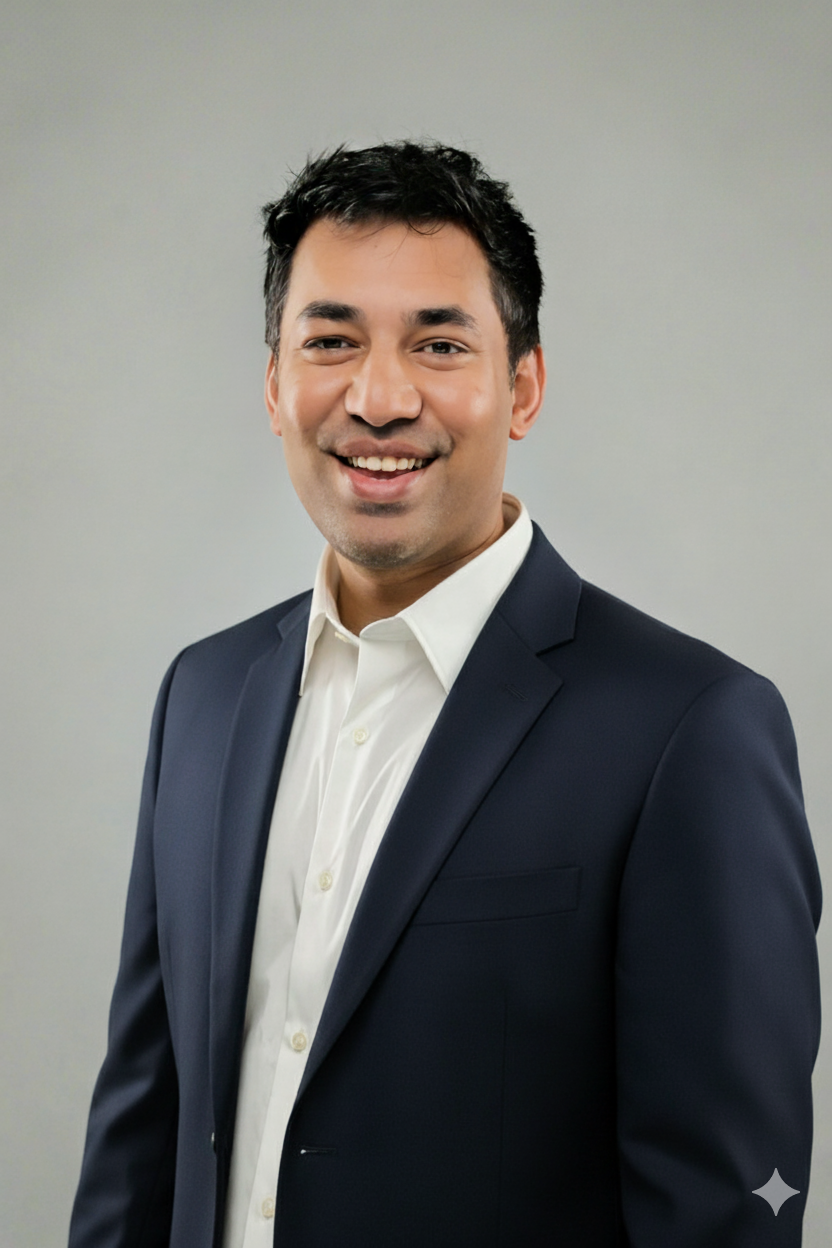
Yogesh Karnam, Vall d’Hebron University Hospital
Quantitative 3D Aortic Shape Analysis Detects Heritable Thoracic Aortic Disease in Non-Dilated Aortas
“For people with Marfan syndrome or a related condition, the aorta can be at risk before it ever measures large enough to count as dilated. Our work measures the aorta’s shape rather than only its width: whether the wall bulges, bends, or twists. In our study, those shape features carried information about the condition even when the aorta was still normal-sized and more than width alone did. It means a great deal that this recognition comes from the community the work is for, rather than only from other researchers.”
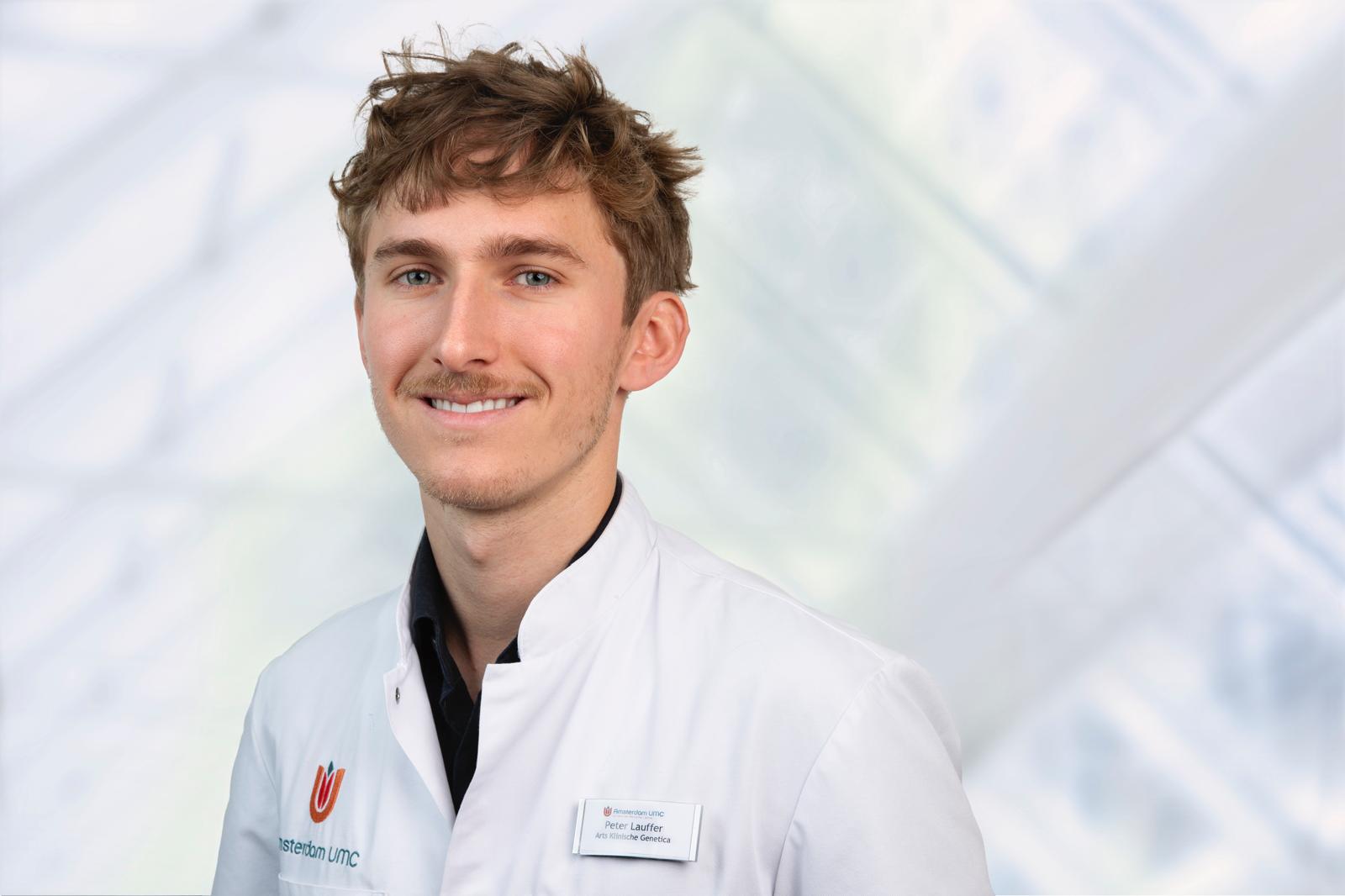
Peter Lauffer, Amsterdam UMC
Further Delineation of the Vascular and Connective Tissue Phenotype of the LOX Gene and Screening Recommendations
“My research helps us understand how Marfan evolves over one’s lifetime, and the best way to implement surveillance for possible outcomes. For patients and families with hereditary aortic disease, finding a genetic cause often answers one question but immediately raises many others, such as: what is my actual risk of developing an aneurysm or dissection? At what age? Does this risk differ within my family’s disease? This study aims to help answer these questions … As a clinical genetics trainee, this is particularly important to me because these are the same questions families ask in the clinic.”
Gerard Merino, Universitat de Barcelona
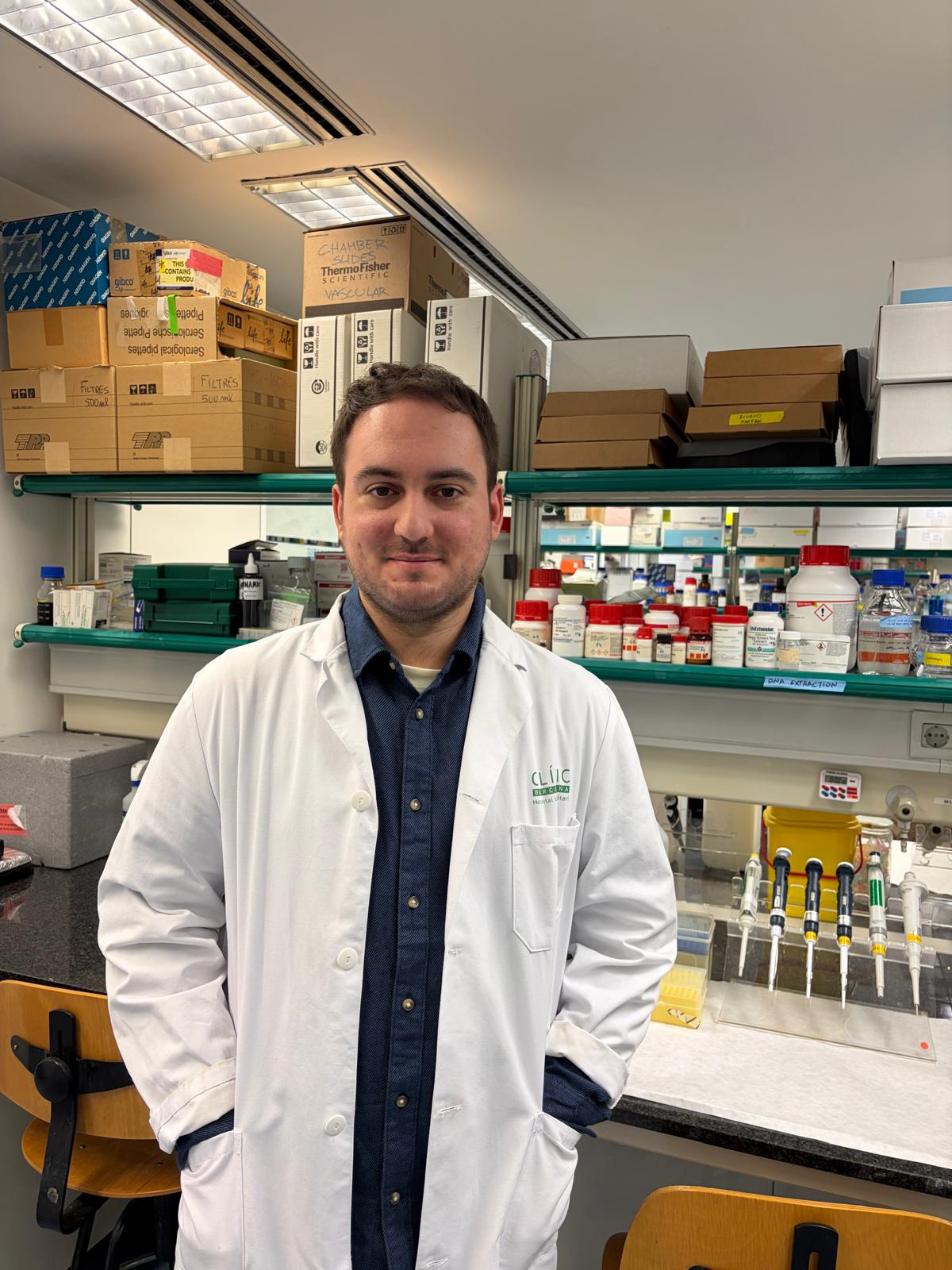
Multi-Targeted Oxidative Stress Pathways as a Complementary Strategy to Current Medical Treatment Against Aortopathy Progression in Marfan Syndrome
“In my research, I investigate therapeutic combinations involving antioxidant compounds in a preclinical mouse model of Marfan syndrome, using doses with potential for future clinical translation. I consider this an important step toward the development of complementary therapeutic strategies.”
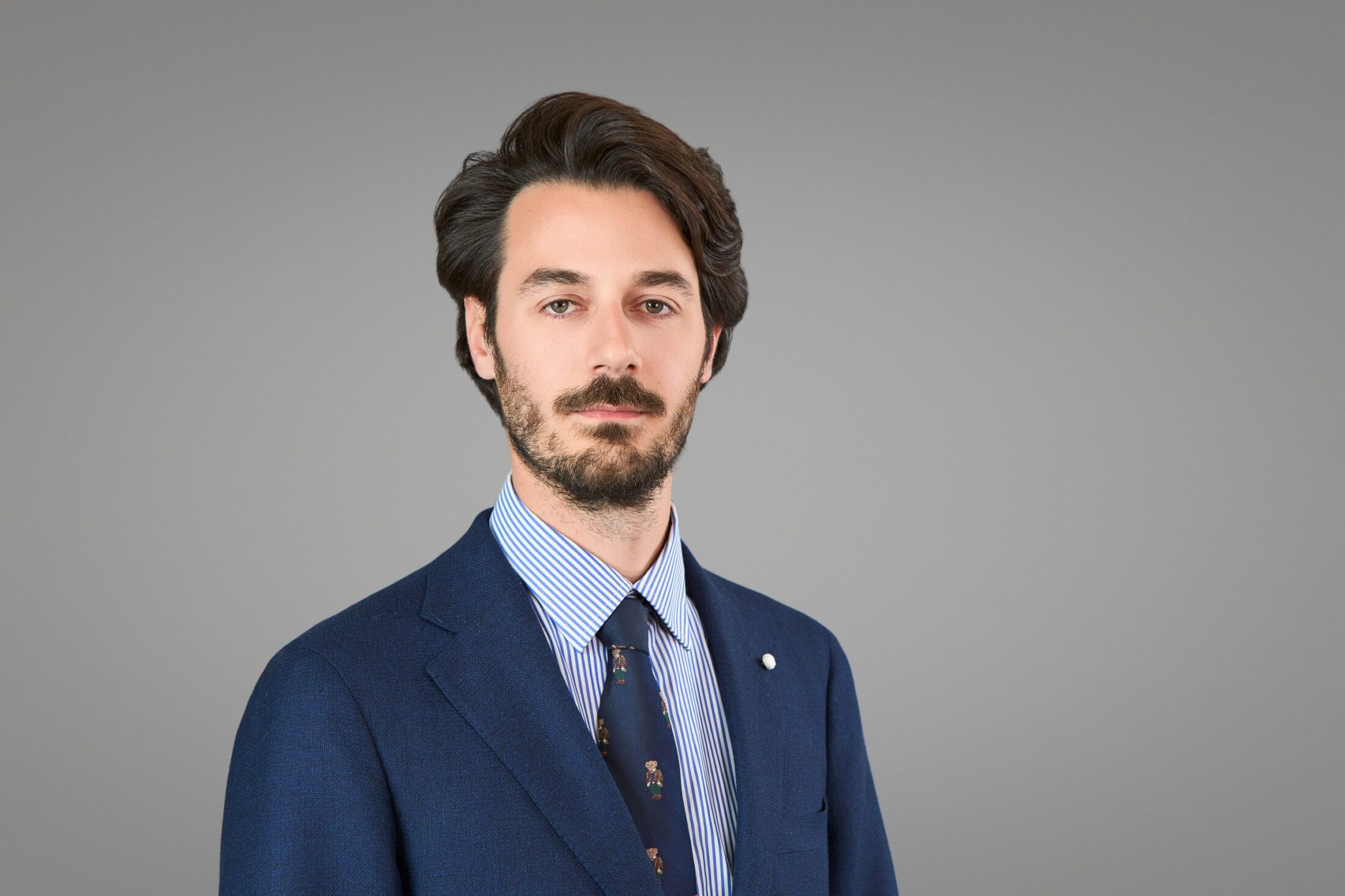
Gian Luca Ragazzoni, Great Ormond Street Hospital
Mitral Annular Disjunction and Aortic Phenotype in Adults with Marfan Syndrome Z
“My main research interest is the relationship between exercise and inherited aortic conditions. We still need stronger evidence to understand how exercise may influence disease progression and, therefore, how it can be performed safely. My goal is to help move from broad exercise restrictions toward individualized exercise prescription. This could allow people with inherited cardiovascular diseases, particularly aortopathies, to maintain the benefits of physical activity while minimizing potential cardiovascular risks.”
Bita Salamat: Baylor College of Medicine / Texas Children’s Hospital
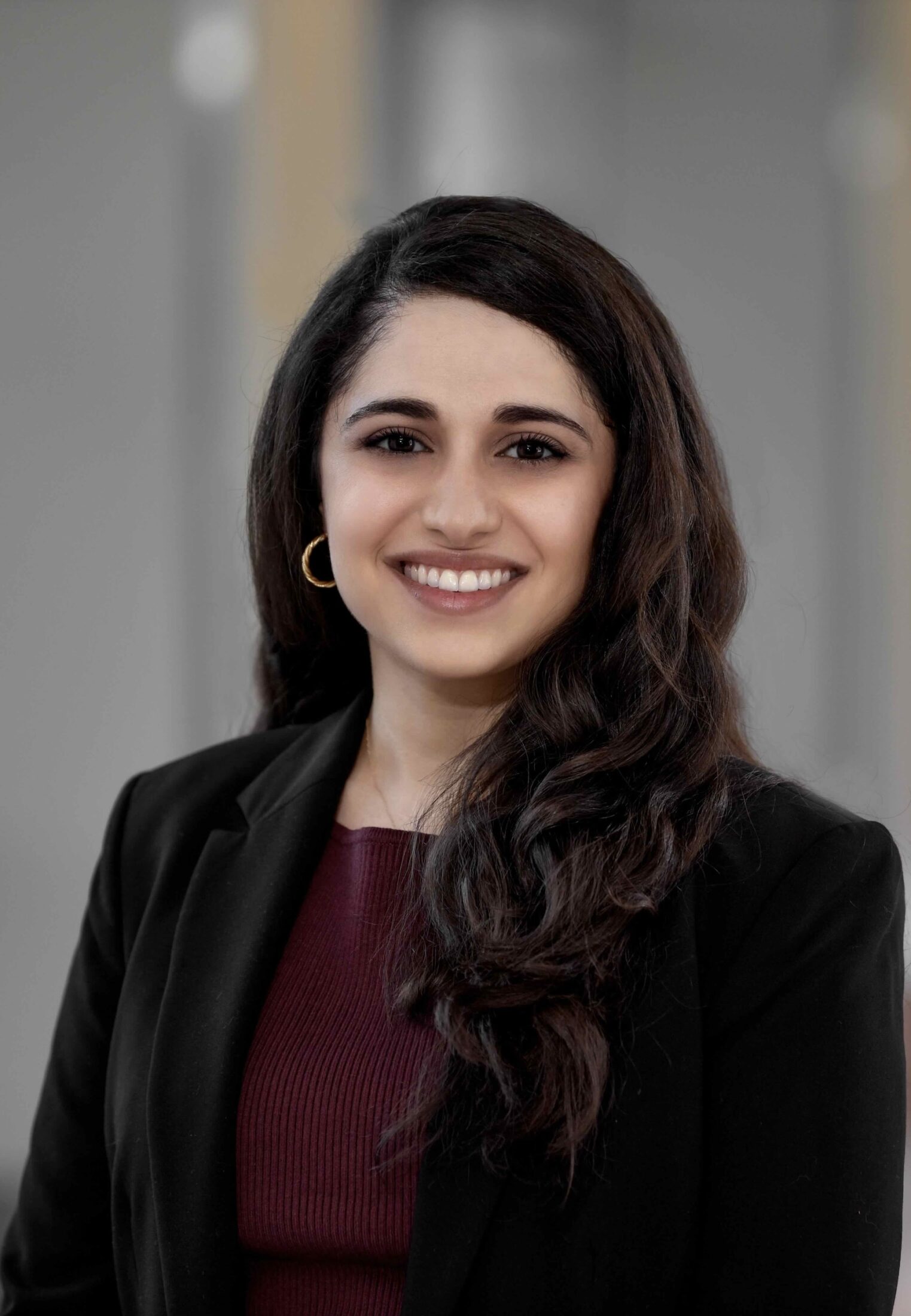
Longitudinal Aortic Root Growth and Outcomes in Pediatric Marfan Syndrome Compared by Baseline Dilation Status
“My research focuses on better understanding how aortic disease changes over time. By identifying patterns of aortic growth and factors associated with more rapid progression, we hope to improve how patients are monitored and managed. Caring for patients and families with inherited cardiovascular conditions has become a central part of the career I hope to build, and this award reinforces my commitment to advancing research in this field.
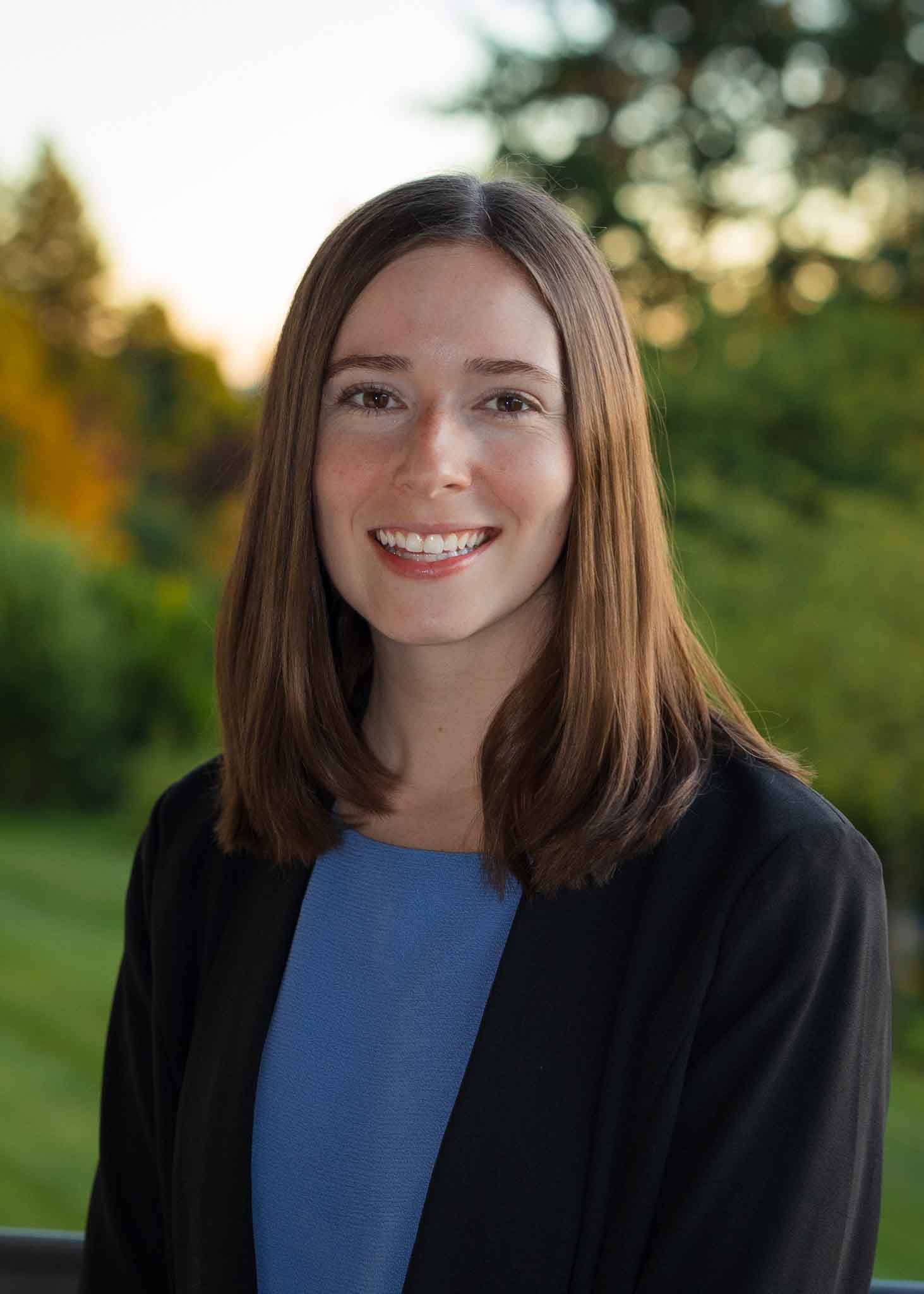
Andrea Vosberg, Oregon Health and Science University
Impact of Attention Deficit Disorder (ADHD) Among Children with Marfan Syndrome: A Multicenter Study from CLARITY
“My team’s research focuses on Marfan syndrome and the associated psychological and neurodevelopmental comorbidities. This is important work, as it highlights that Marfan syndrome does not exist in a vacuum and has impacts on several different domains of a child’s life, which deserve to be addressed in addition to the physical manifestations of their disease. Specifically, untreated ADHD can have significant impacts on a child’s academic success, mental health and day-to-day functioning … I was lucky enough to work closely with adolescents with Marfan syndrome as a camp counselor this past summer, and this experience served to drive my passion for furthering this research to impact young men and women like them.”
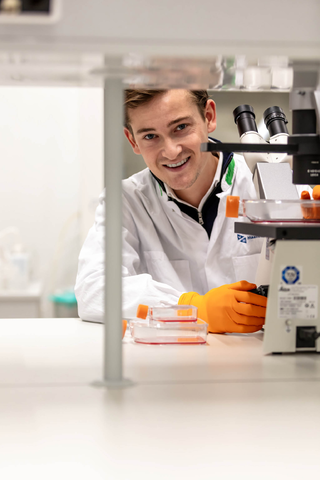
Pepijn Saraber, The Cardiovascular Research Institute Maastricht (CARIM)
Decoding Marfan Syndrome Cardiomyopathy Using Advanced Stem Cell-Derived Heart Models
“We hope to provide patients, families and health professionals with a patient specific risk of aortic dissection and a personalized drug testing platform in the future. “

The Marfan Foundation drives research, education and support – and builds community – to improve outcomes, save lives and empower all people to thrive who are living with Marfan, Loeys-Dietz, Vascular Ehlers-Danlos syndromes, and related genetic aortic and vascular conditions.